Equipment










Evolution of vessels
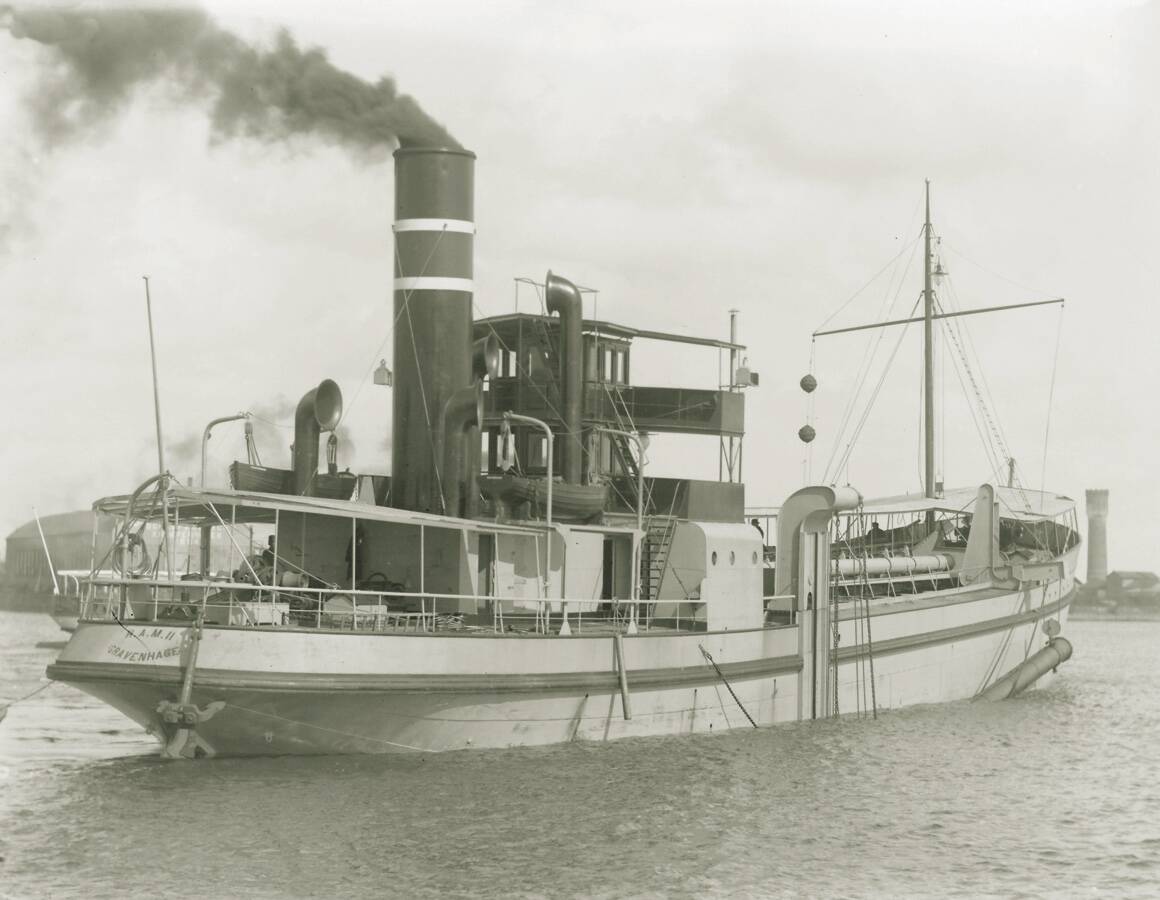
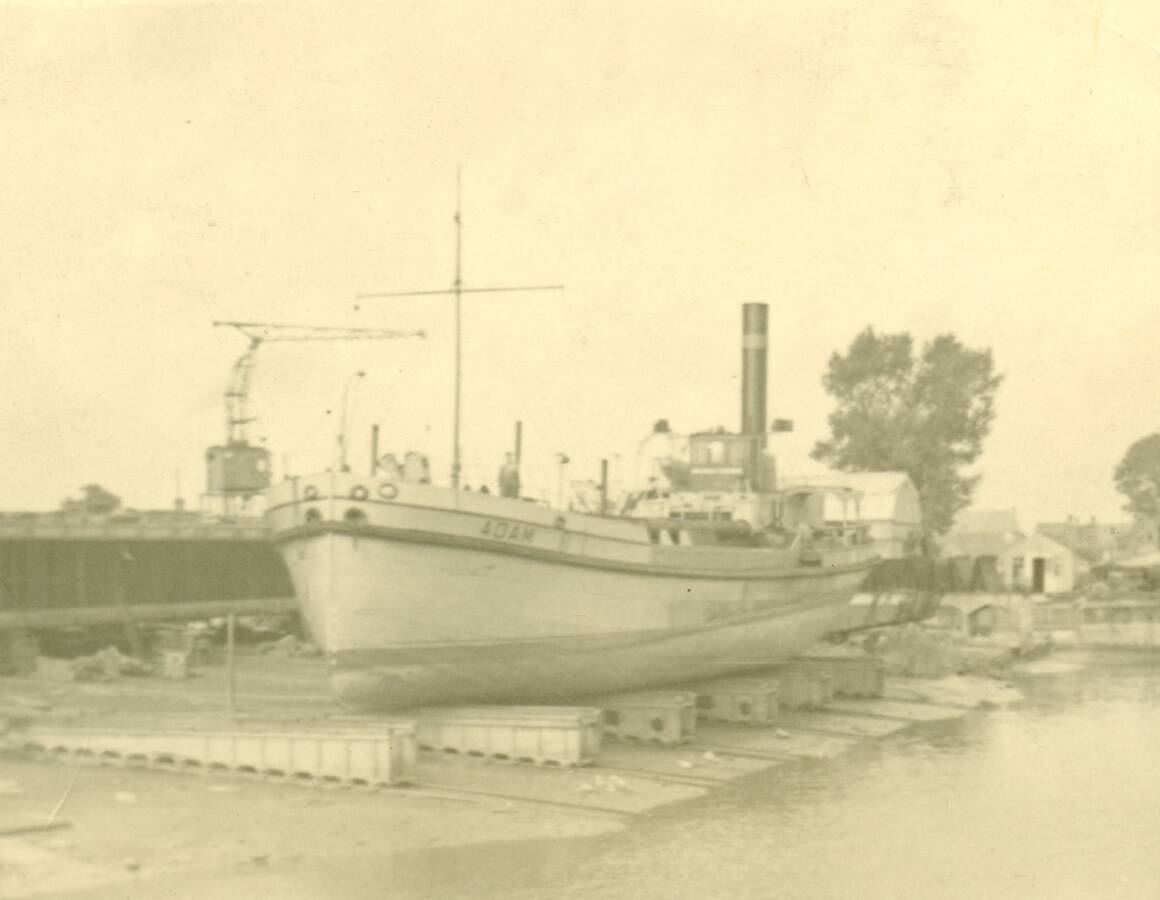
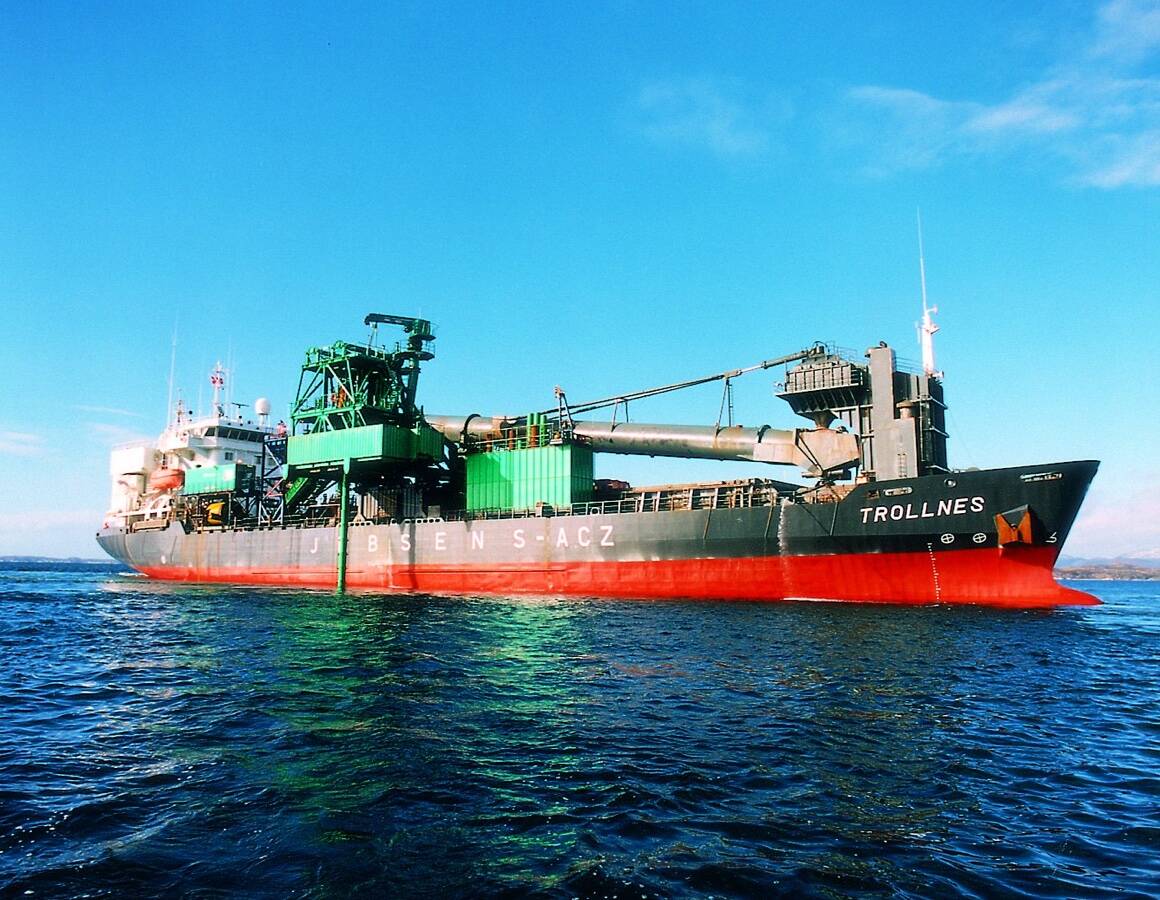
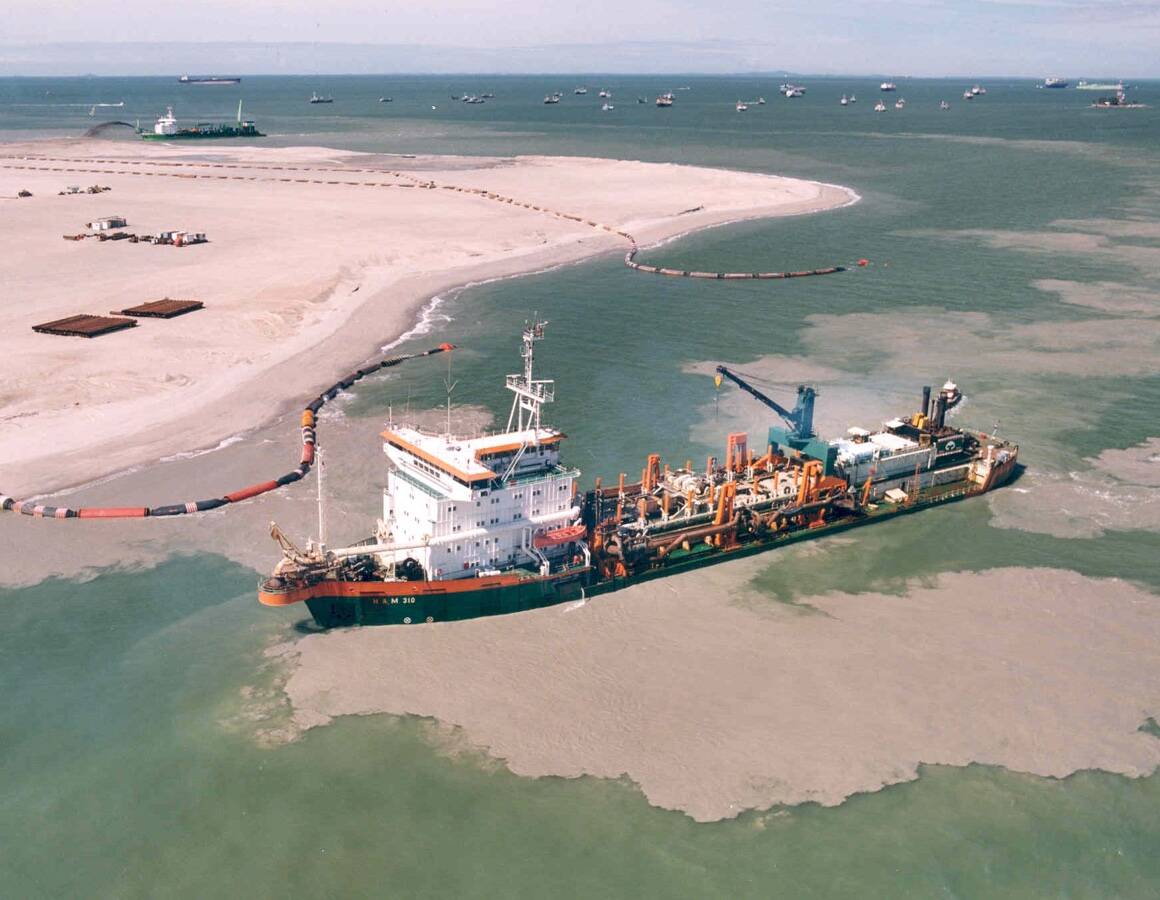
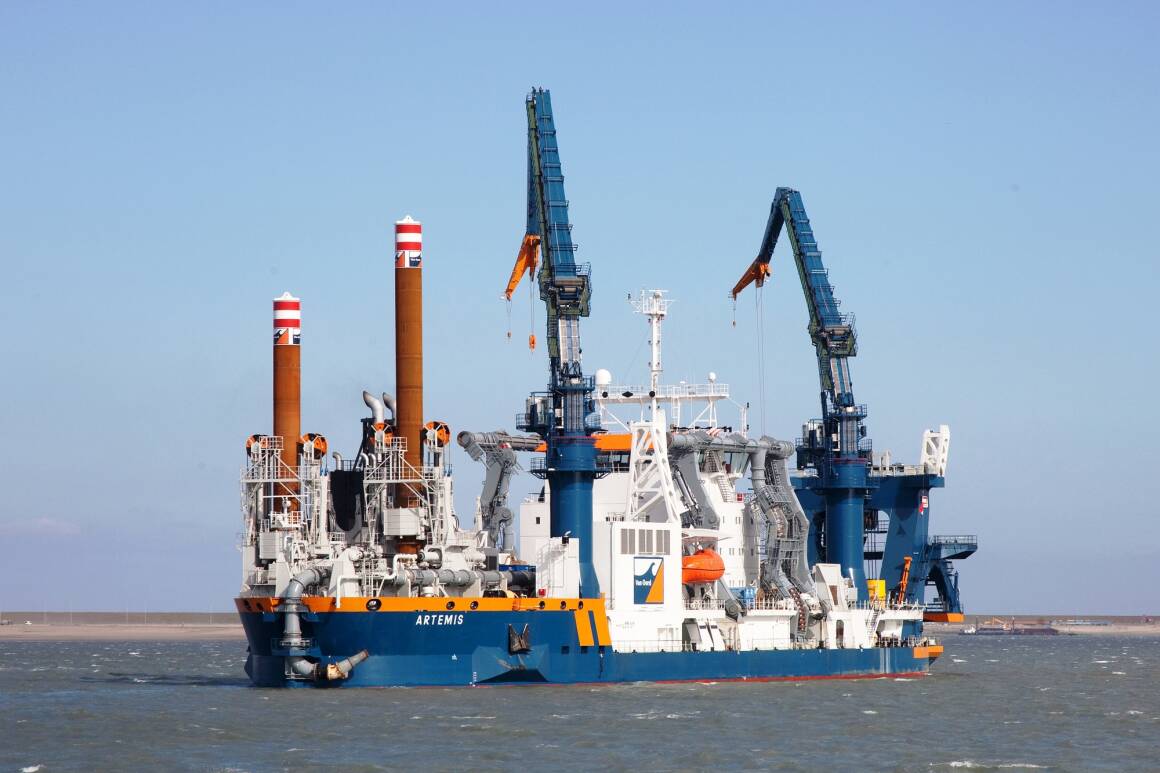
Over the past 150 years, our equipment has undergone an evolution from straightforward vessels like fishing boats to innovative floating plants developed in-house and offering the comfort of a ‘cruise ship at sea’. Explore our heritage and discover how we built our state-of-the-art fleet.
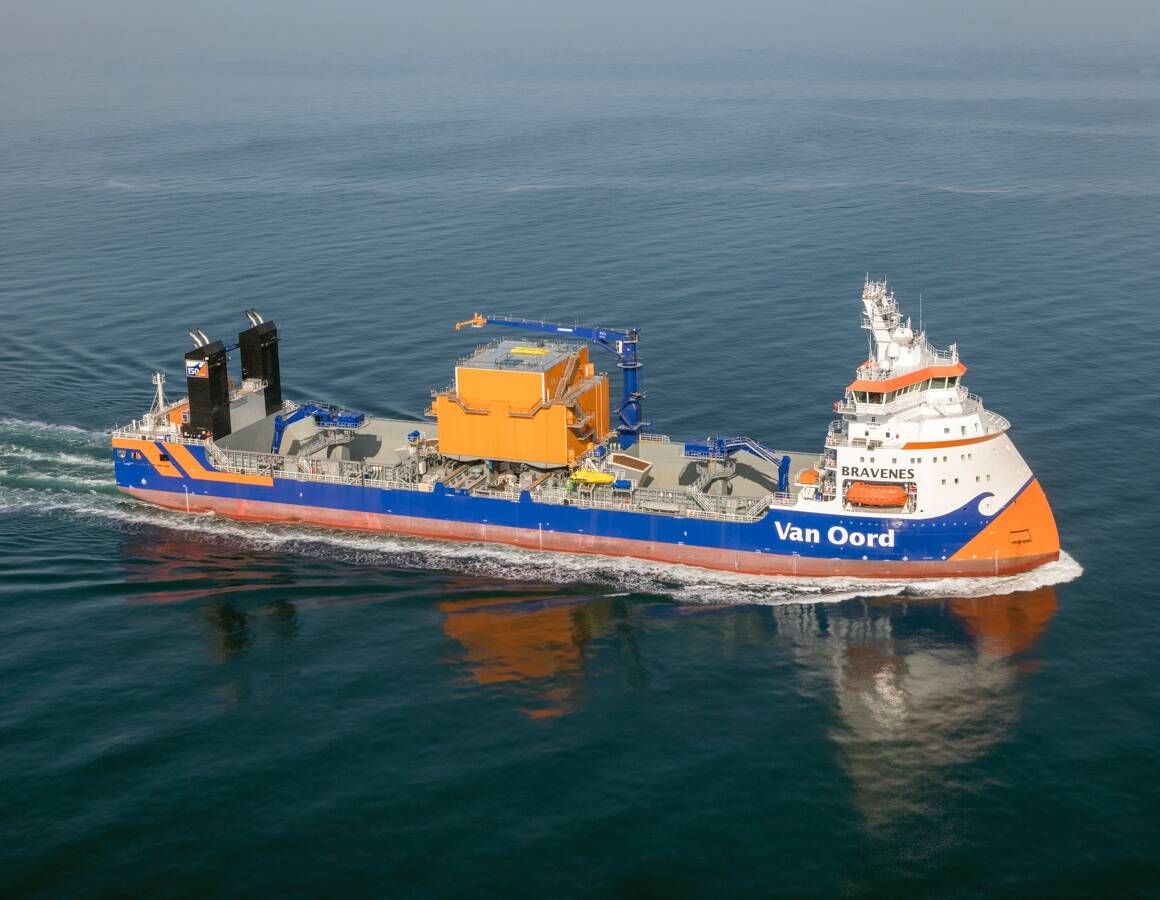
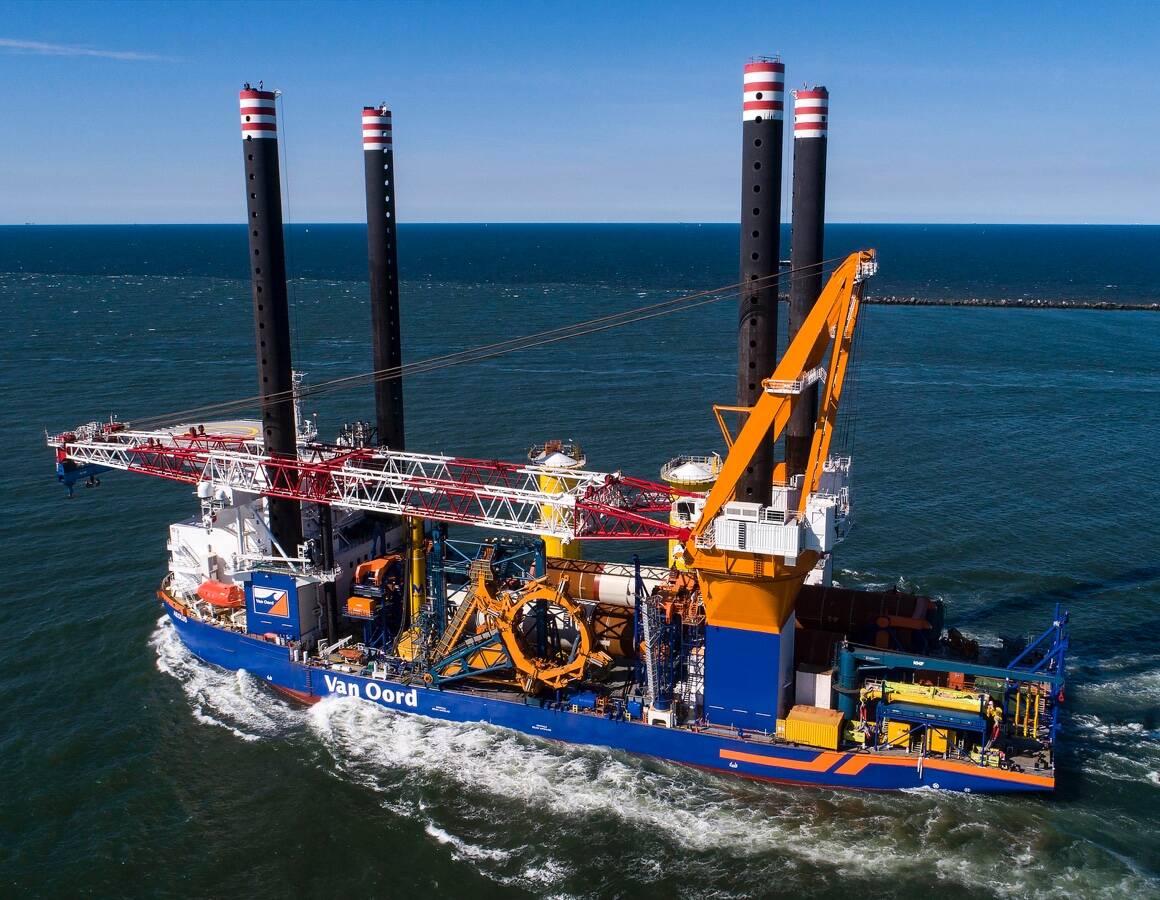
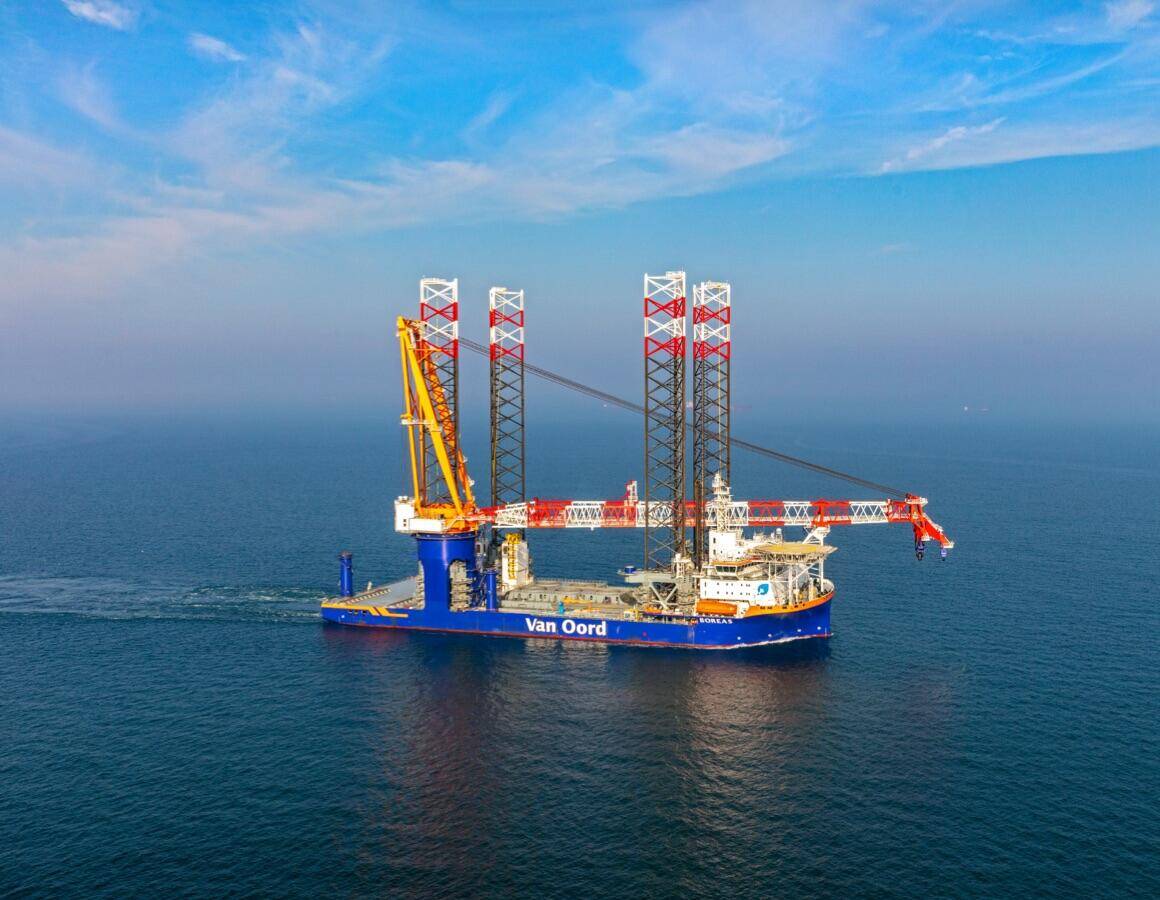
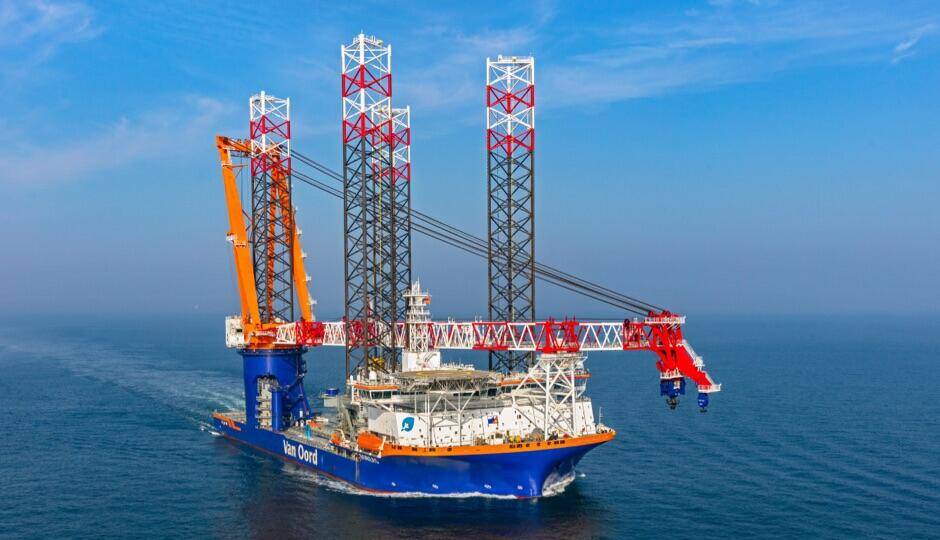
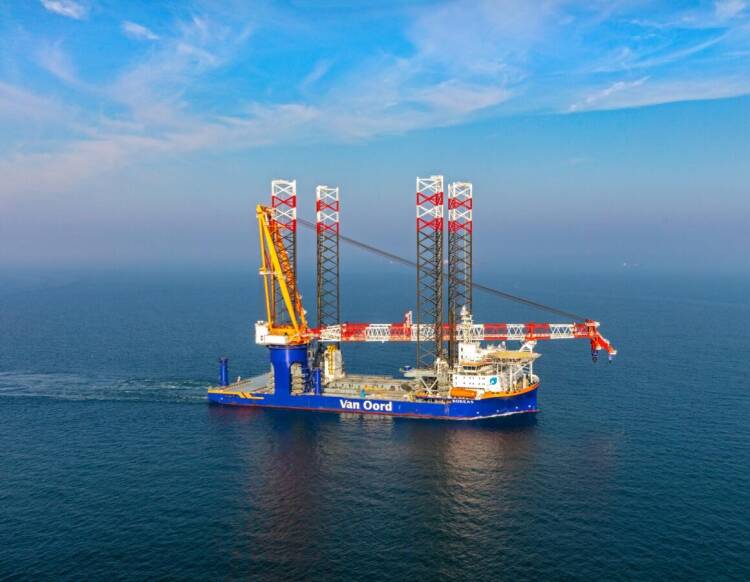
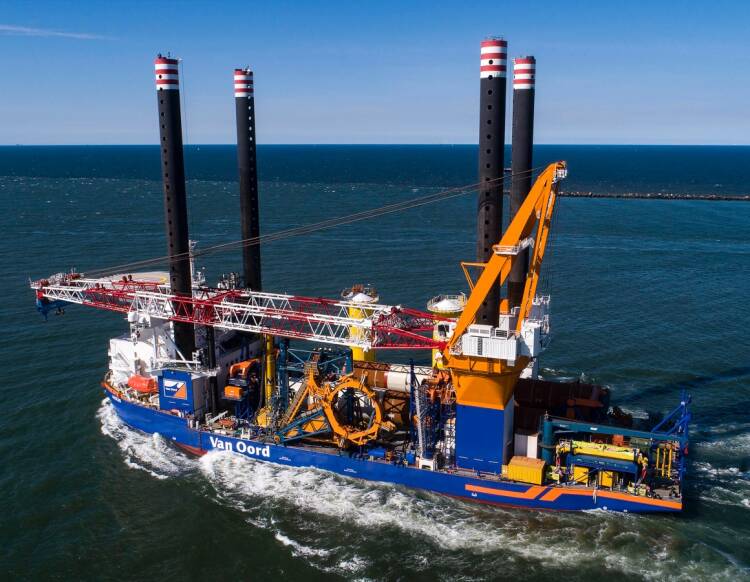
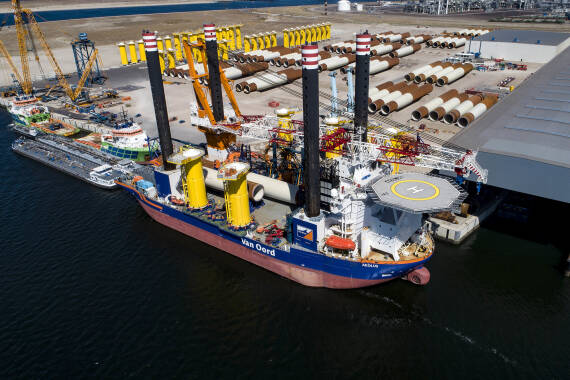
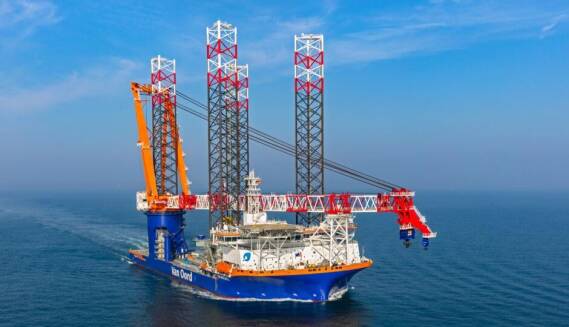
At Van Oord we are committed to accelerating the energy transition. To accelerate the energy transition, innovative vessels are needed. The Boreas will be the most versatile fit-for-purpose offshore wind installation vessel in the industry. The vessel is designed to install the next generation of foundations and turbines at offshore wind farms and keep up with the global demand and increase in scale.
Accelerating the energy transition

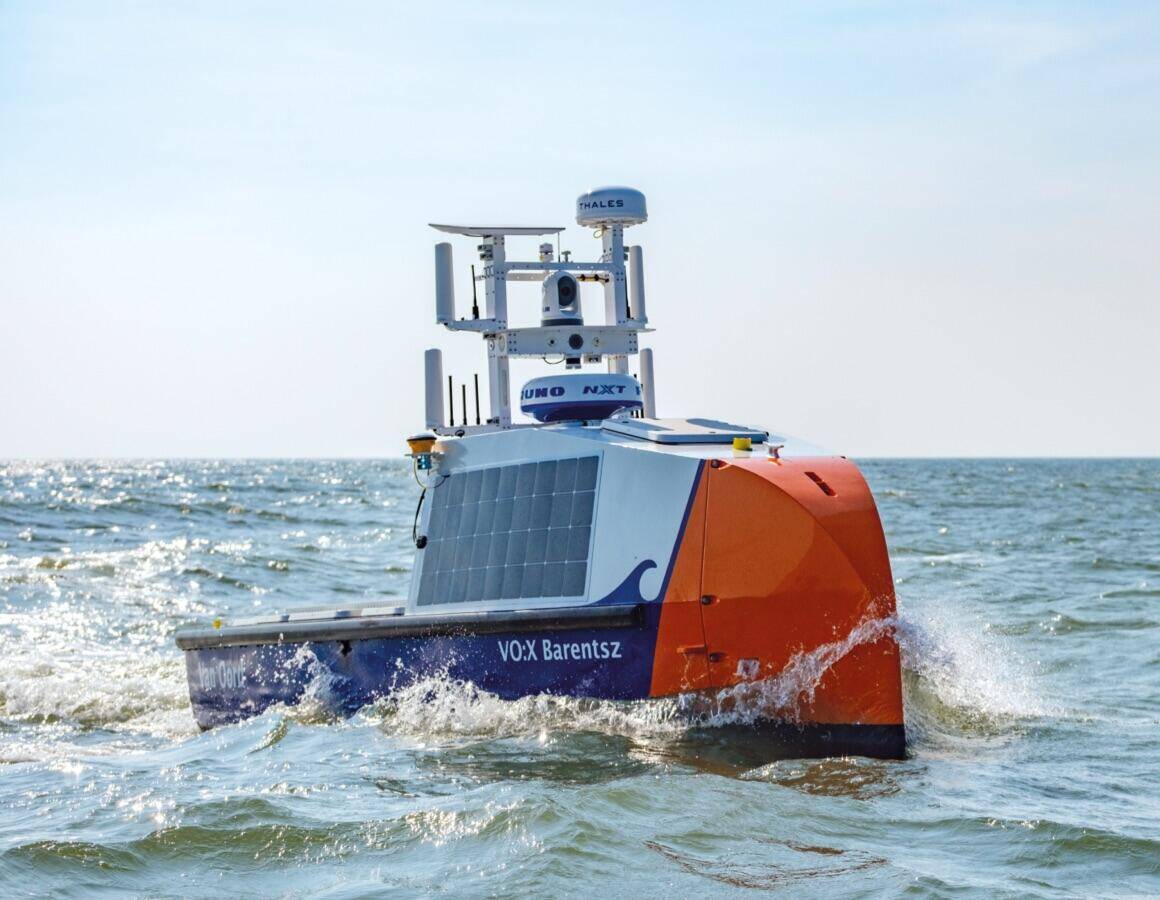
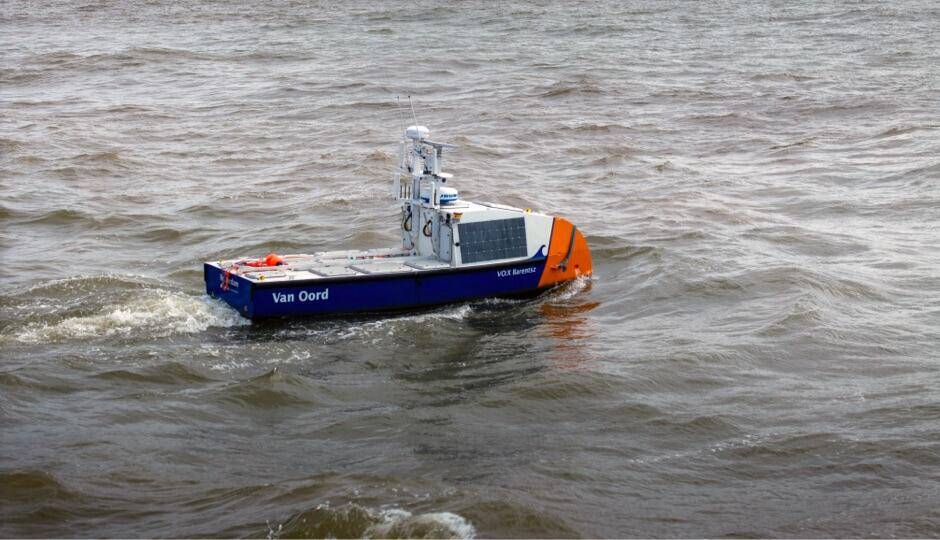
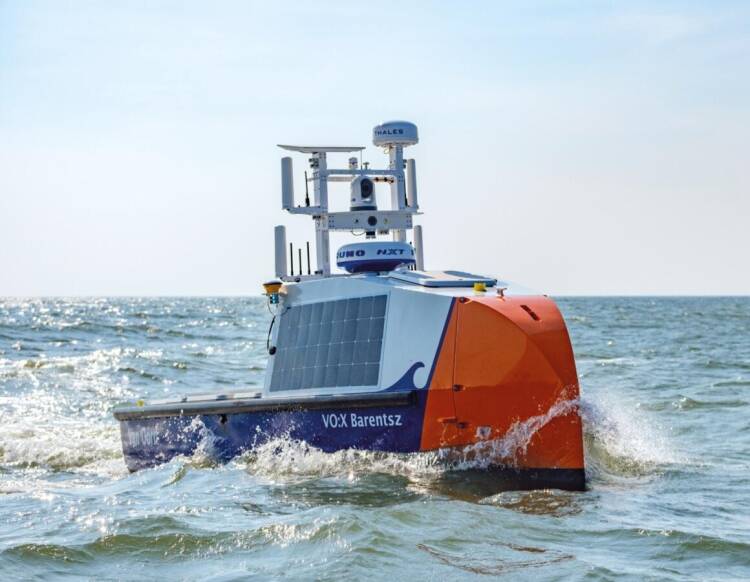
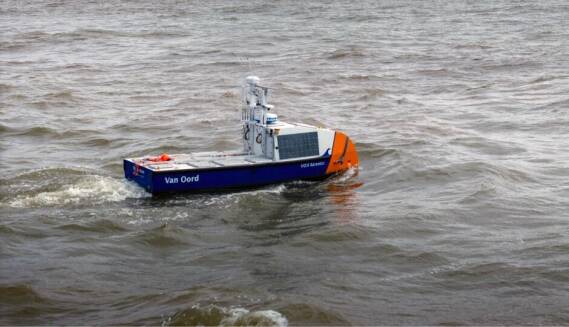
Unmanned Survey Vessels (USVs) are remotely-controlled vessels that can perform surveying activities like seabed mapping without a human on board. With these vessels, Van Oord is able to perform survey activities remotely, cost-efficiently and in an automated manner. Additionally, deploying these vessels enhances safety by making the need for an onboard operator and surveyor redundant.
First seagoing unmanned survey vessel and new WIDs
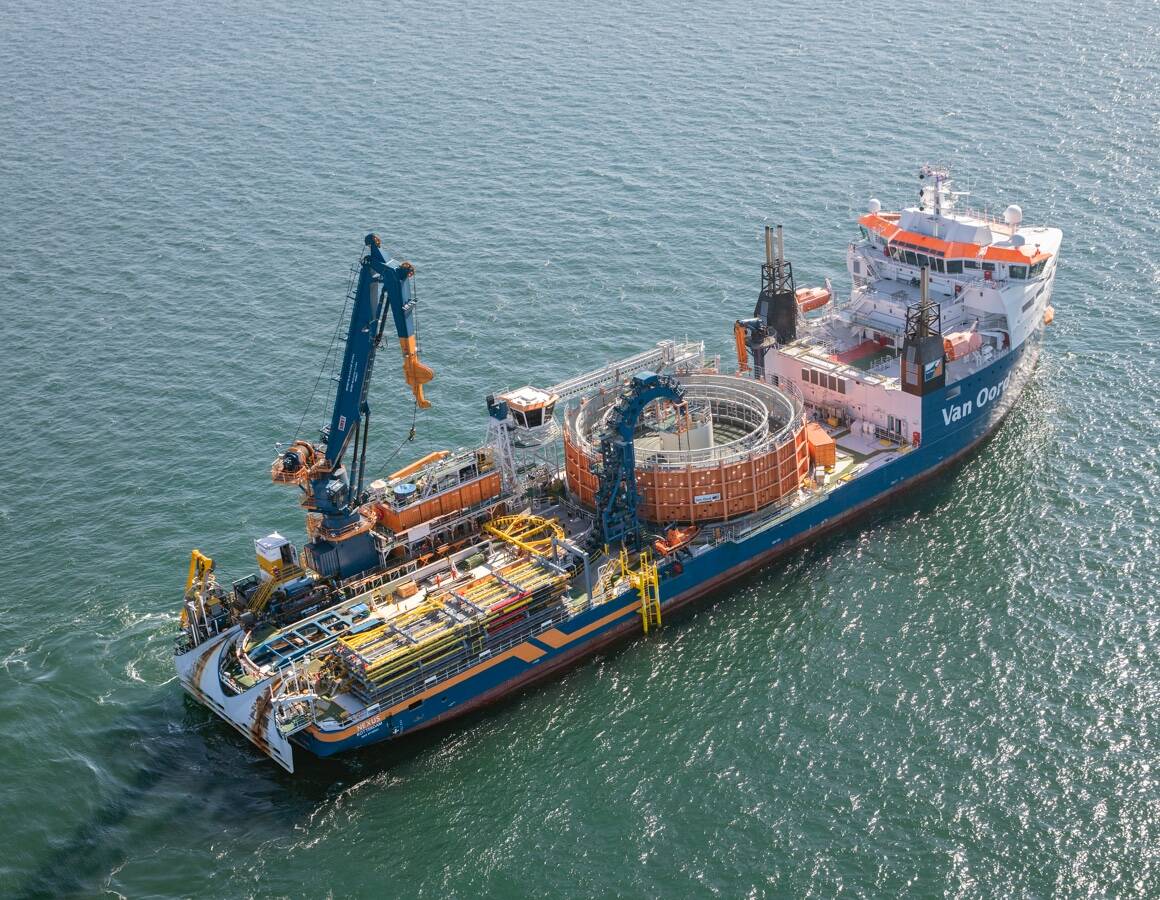
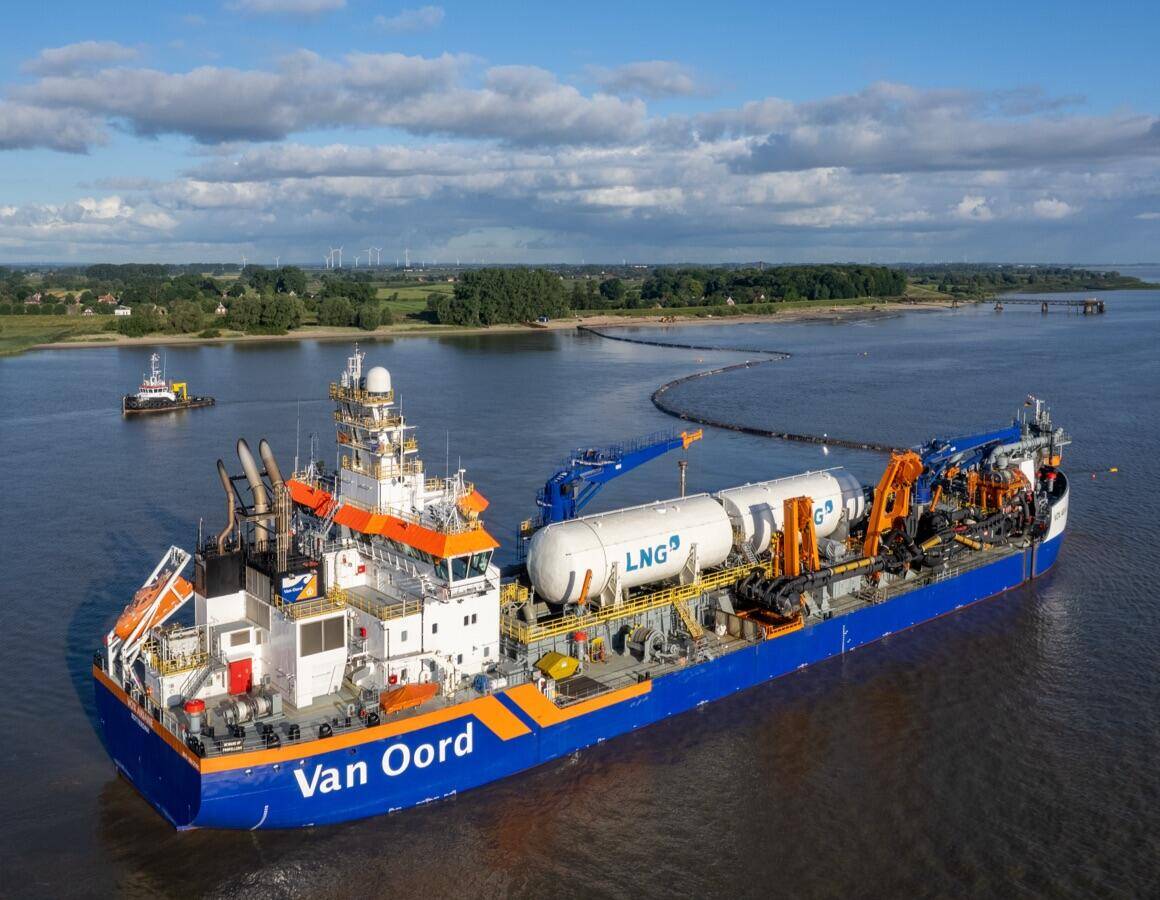
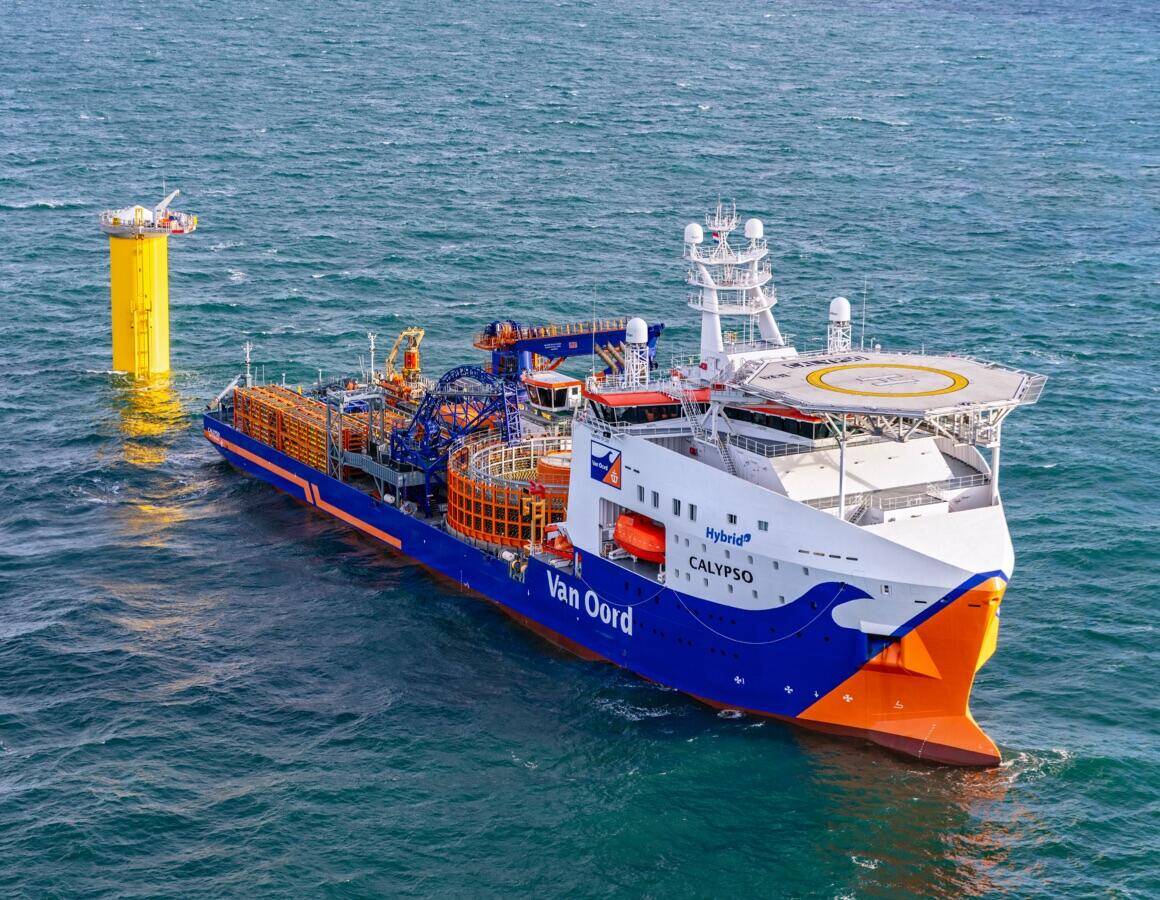
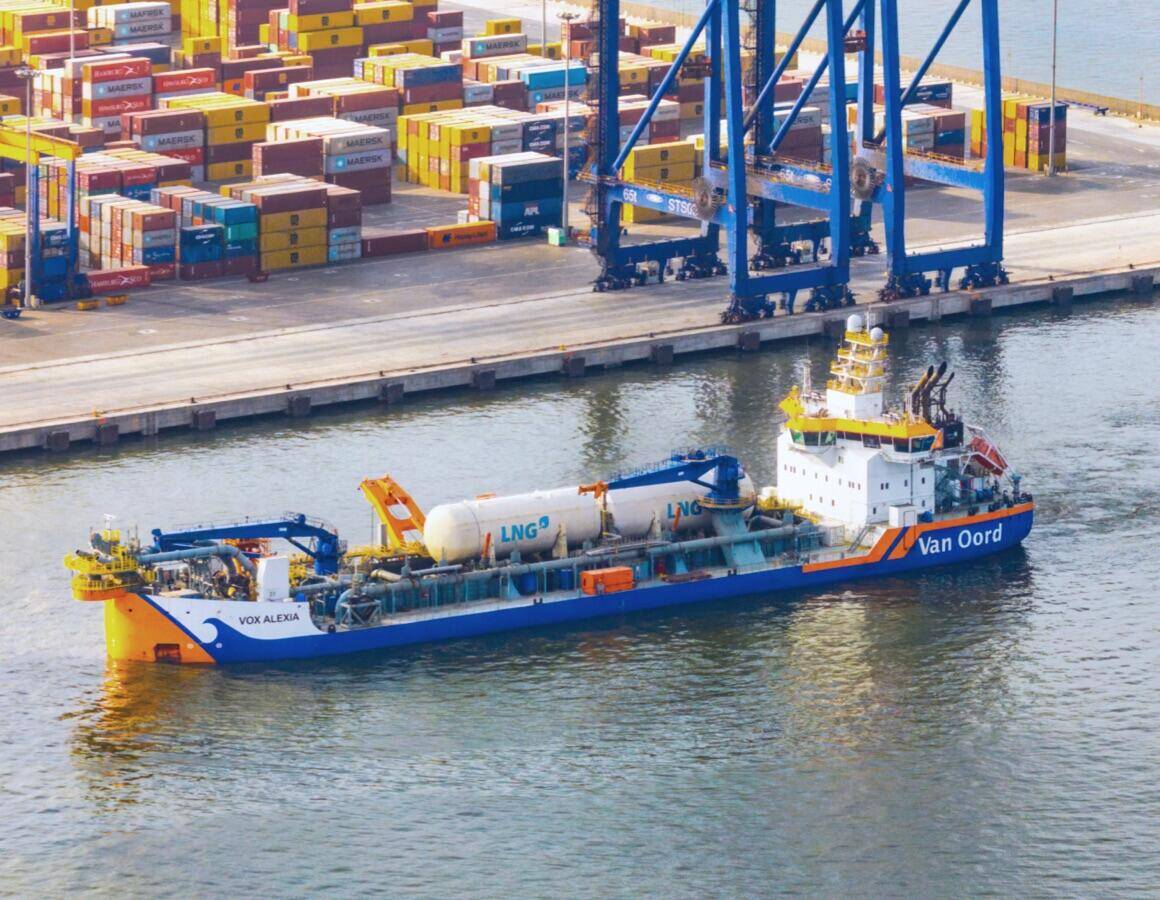
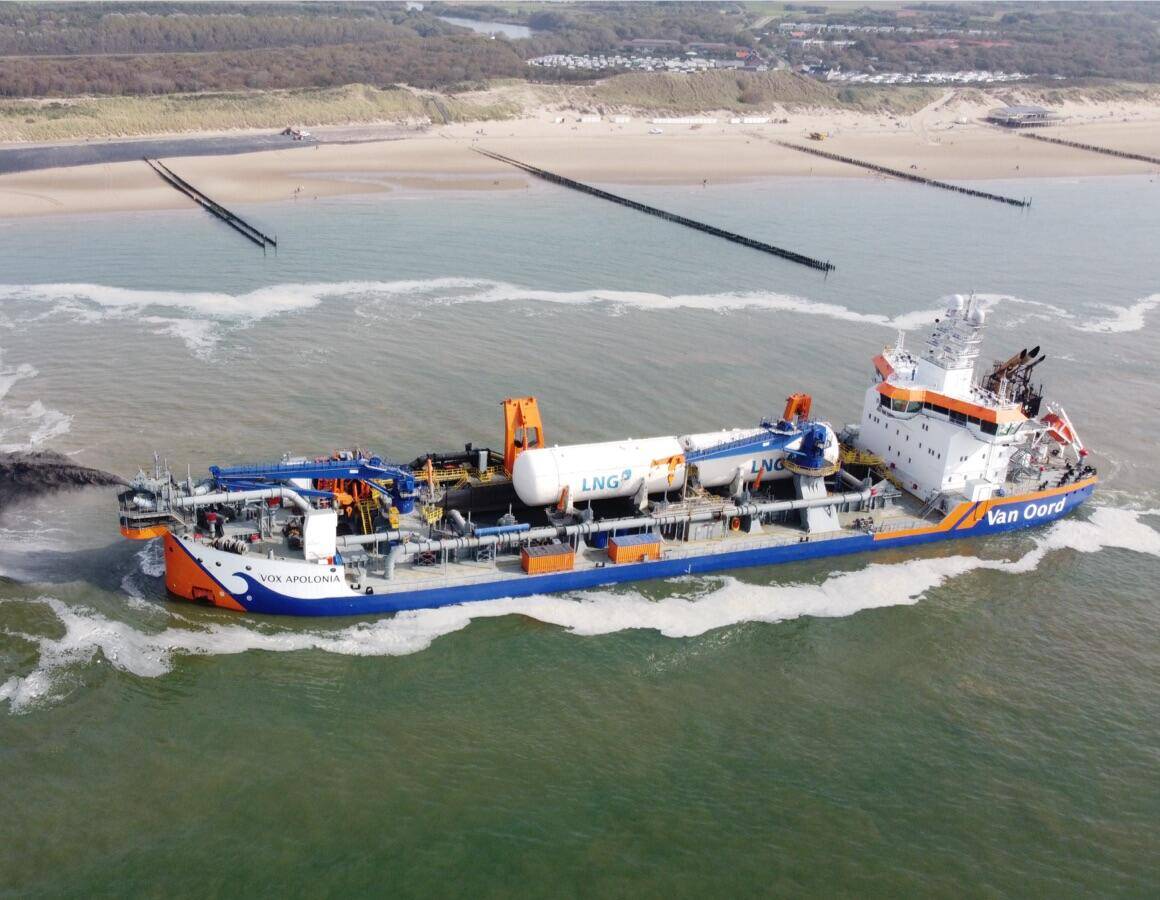
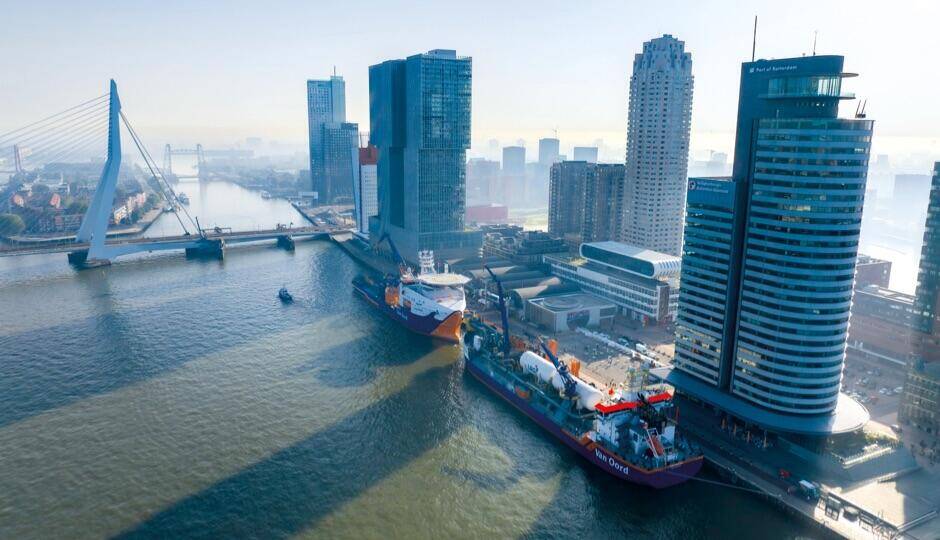
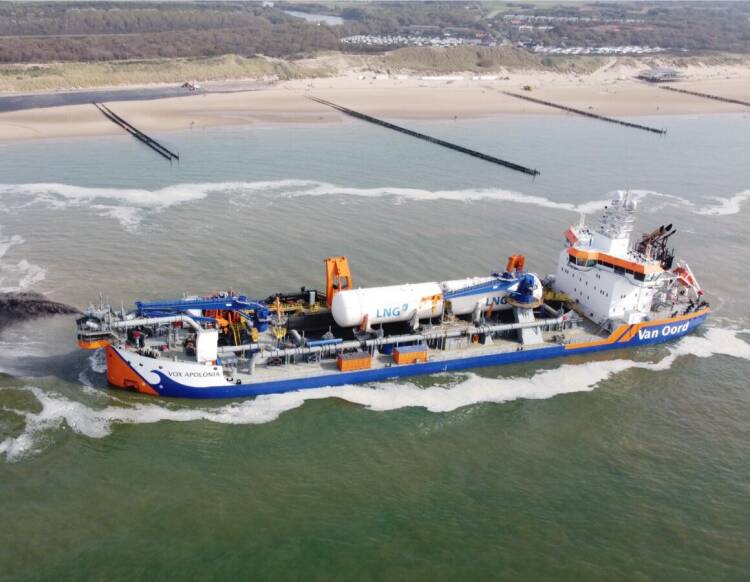
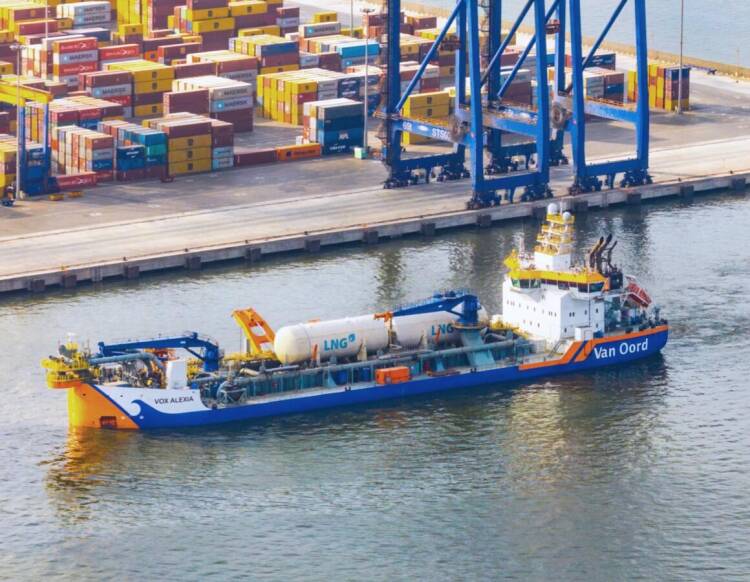
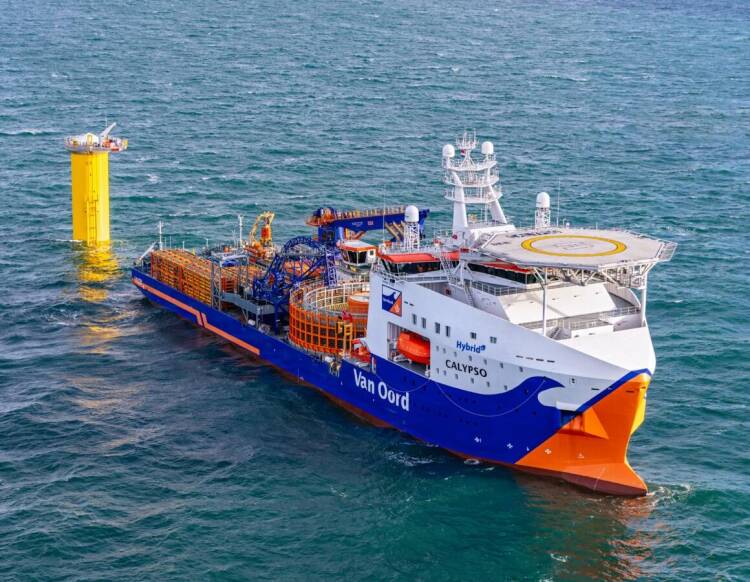
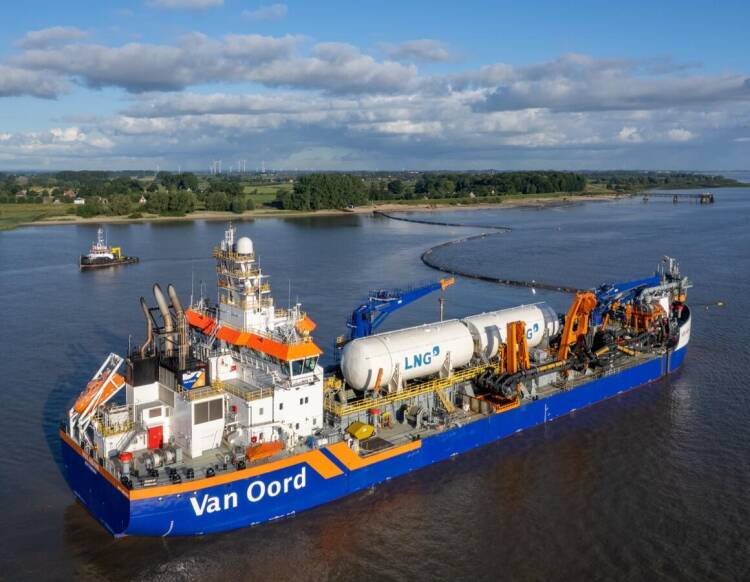
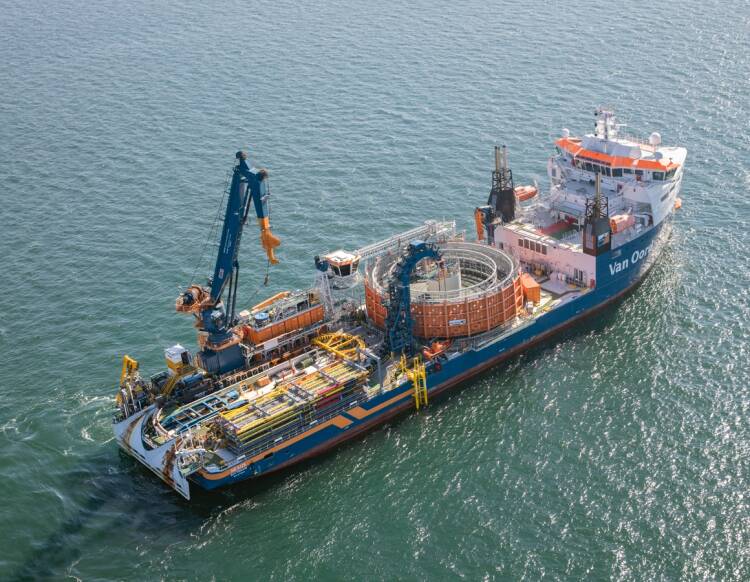
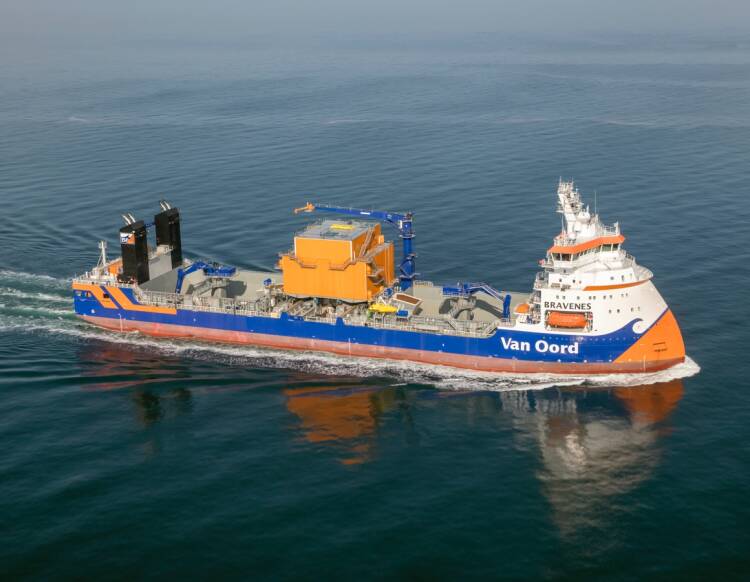
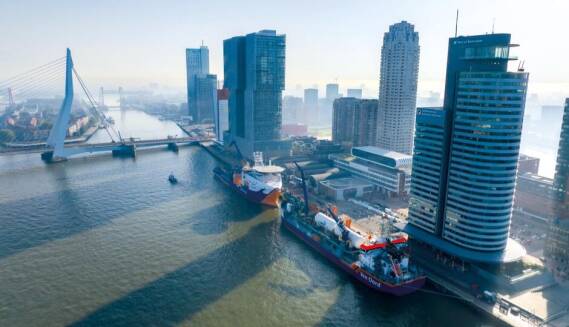
2023 saw the delivery of 3 new vessels. The two new LNG vessels will help Van Oord accomplish the aim of modernising its fleet and making it more economical and energy efficient. Van Oord is investing in expertise, equipment and vessels to operate a more sustainable fleet in order to achieve its net-zero emission targets by 2050. We also celebrated the arrival of Calypso, our future-proof cable-laying vessel for offshore wind projects worldwide. Offshore wind is a key contributor to achieving climate change targets around the world. By investing in state-of-the-art sustainable technology, Van Oord contributes to the energy transition, making offshore wind more competitive.
Delivery of three new vessels
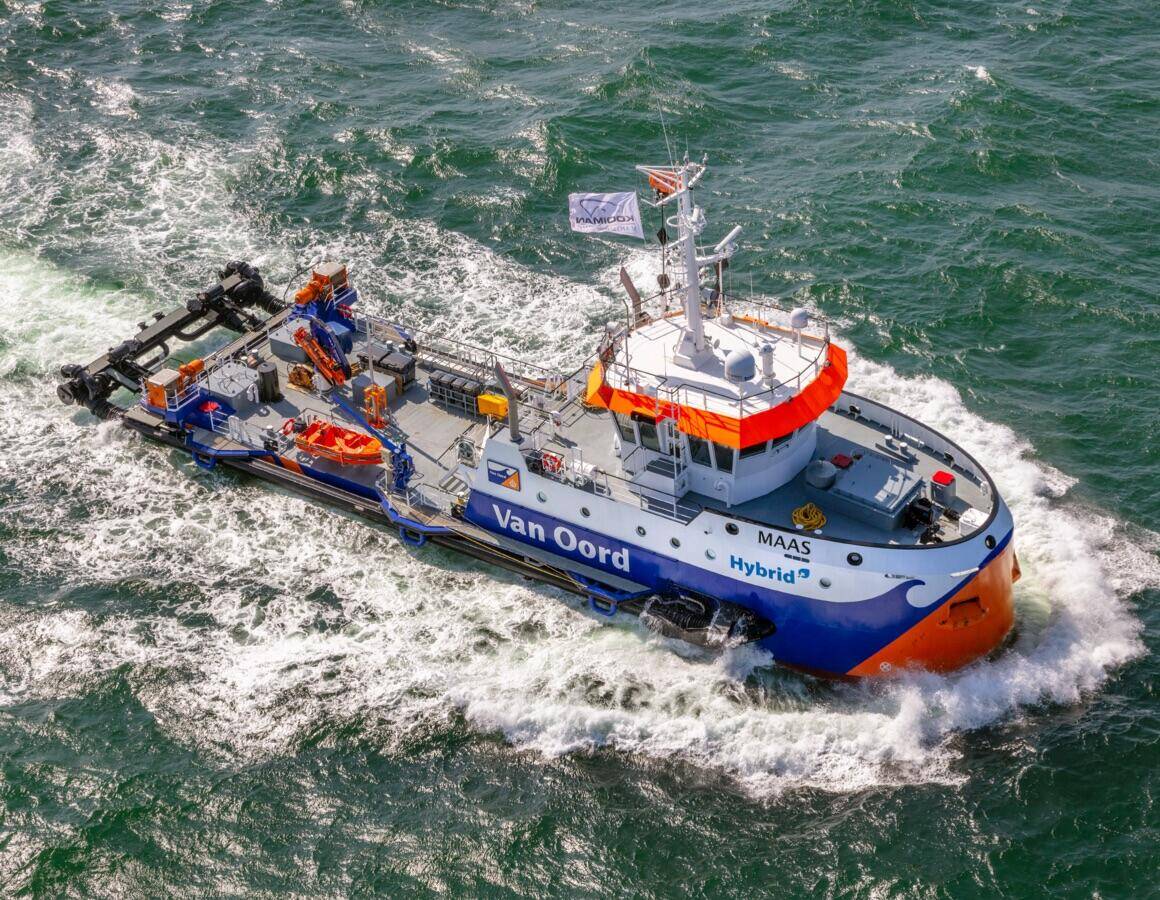
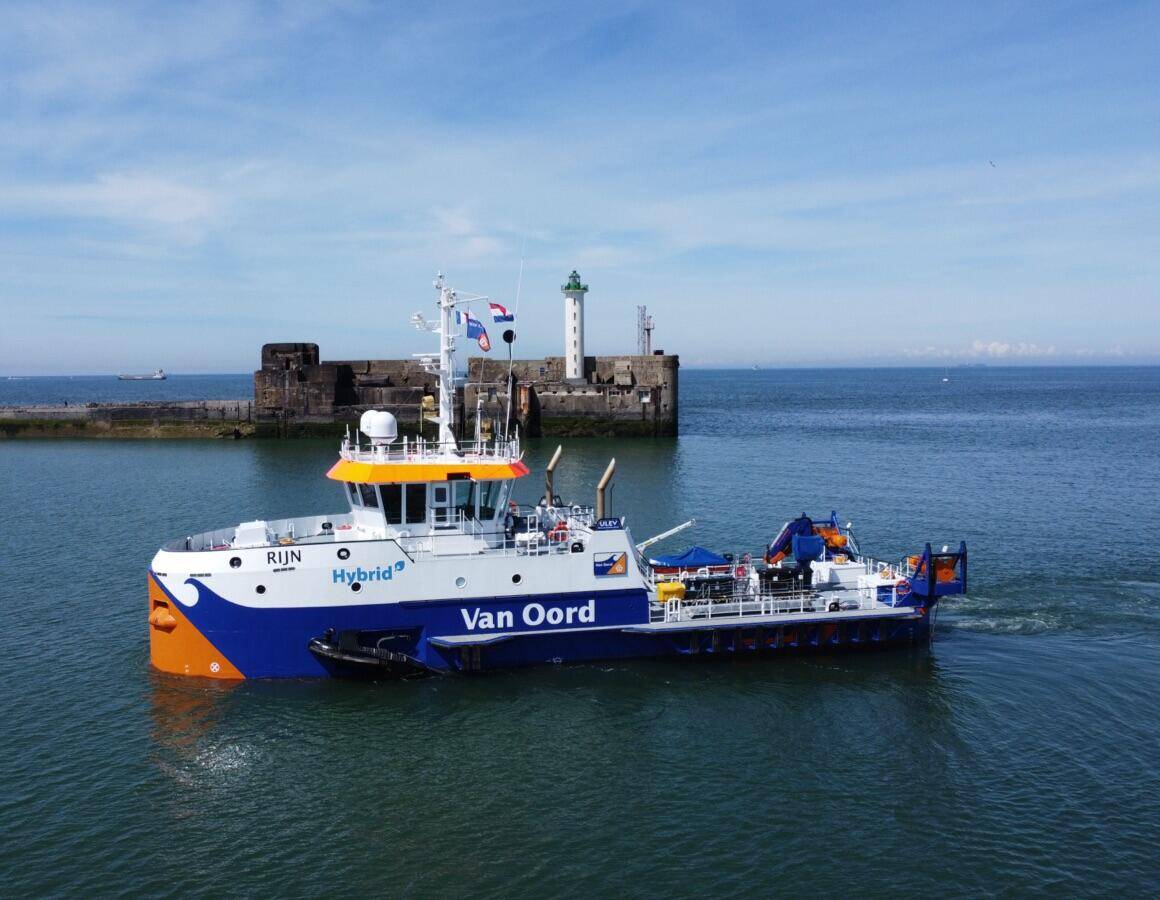
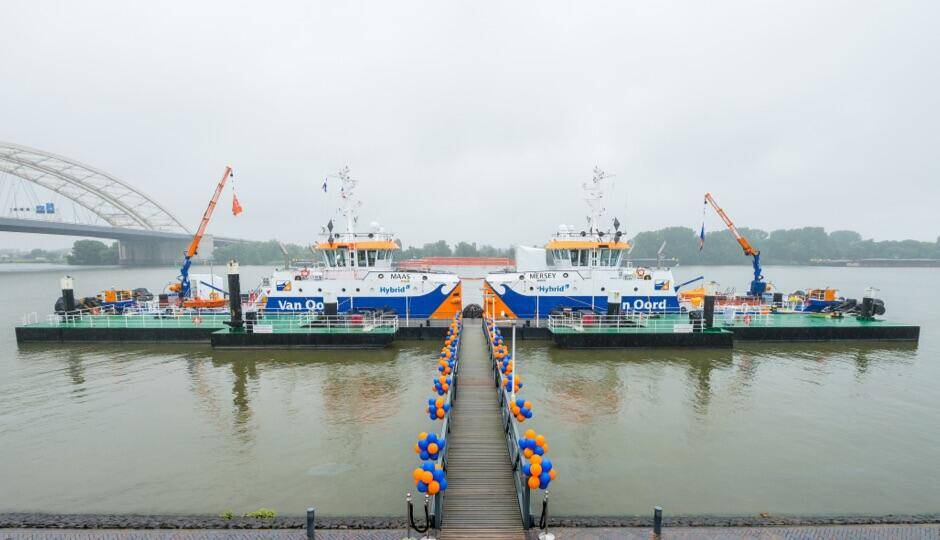
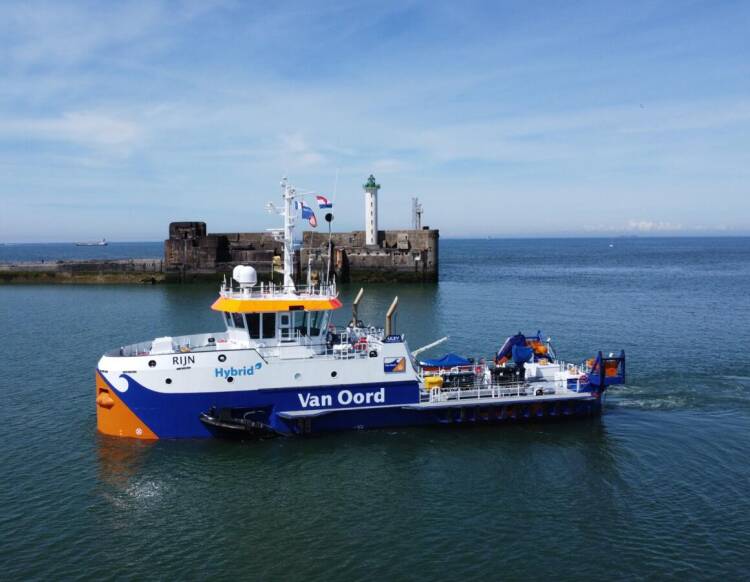
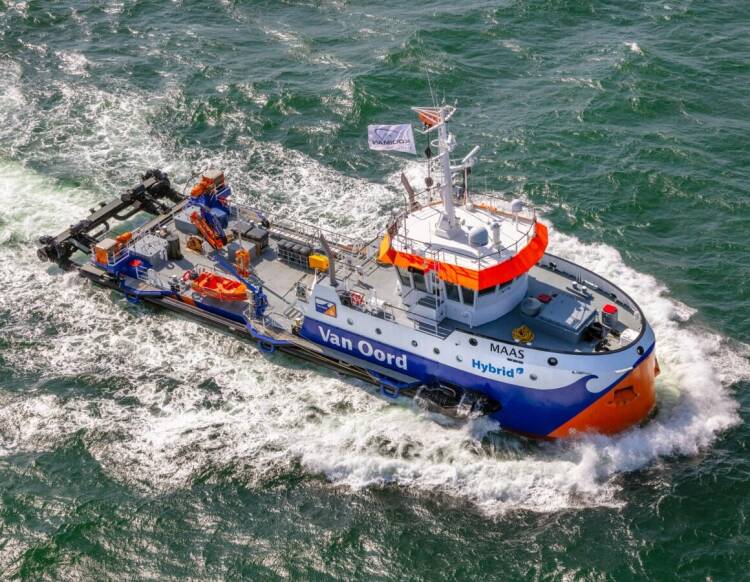
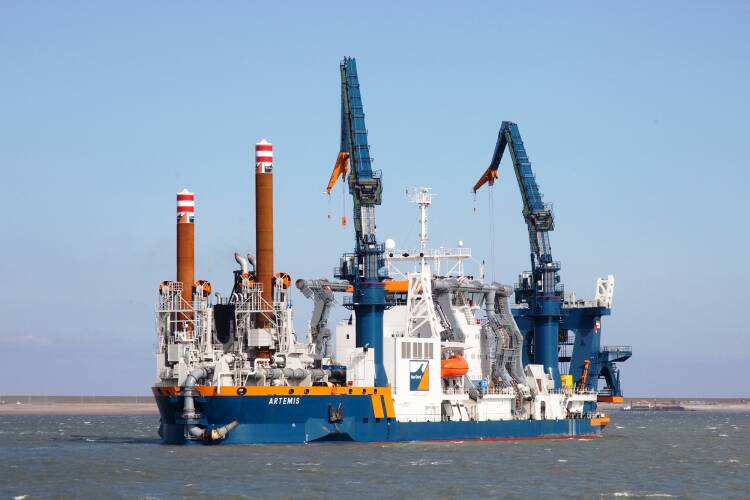
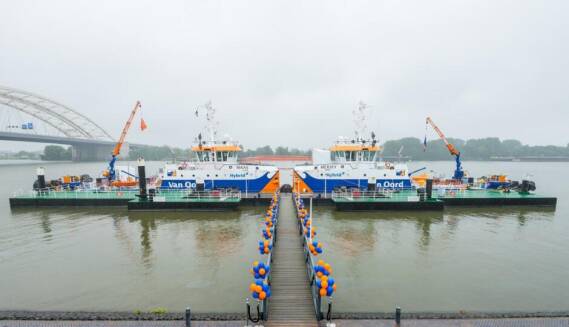
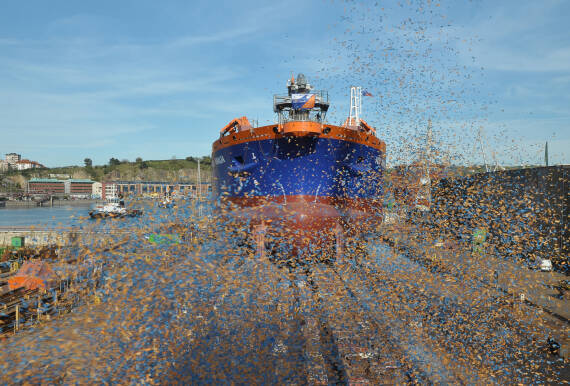
In 2021 the naming ceremonies took place for two hybrid water injection vessels. The Maas and Mersey represent the new generation of hybrid water injection vessels. The first generation of WIDs, were put into service around 1990. This new vessel type is versatile and has water injection dredging, mass flowing and power jetting systems. Water injection dredging is an efficient and environmentally friendly way of maintaining the depth of navigation channels, ports, marinas and rivers. For over 30 years Van Oord has been using this technique all around the world.
New generation of hybrid water injection vessels
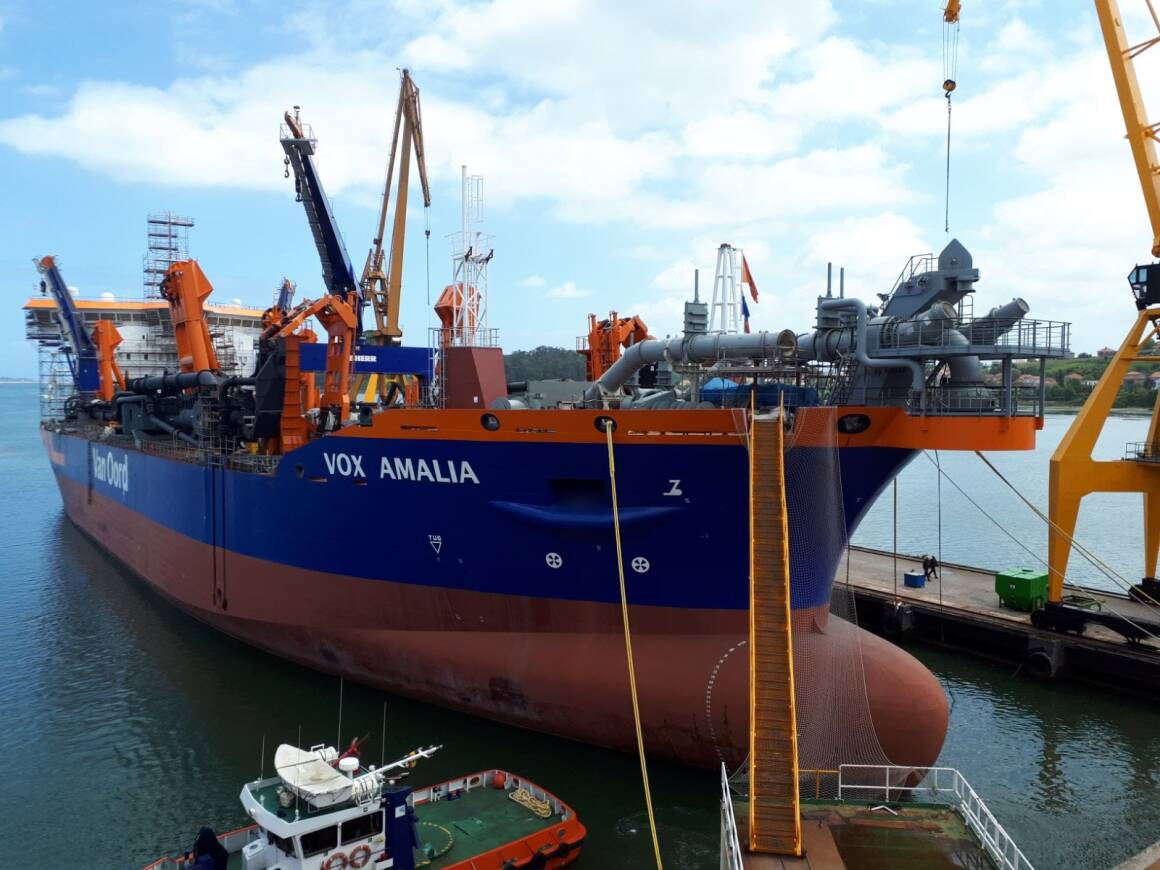
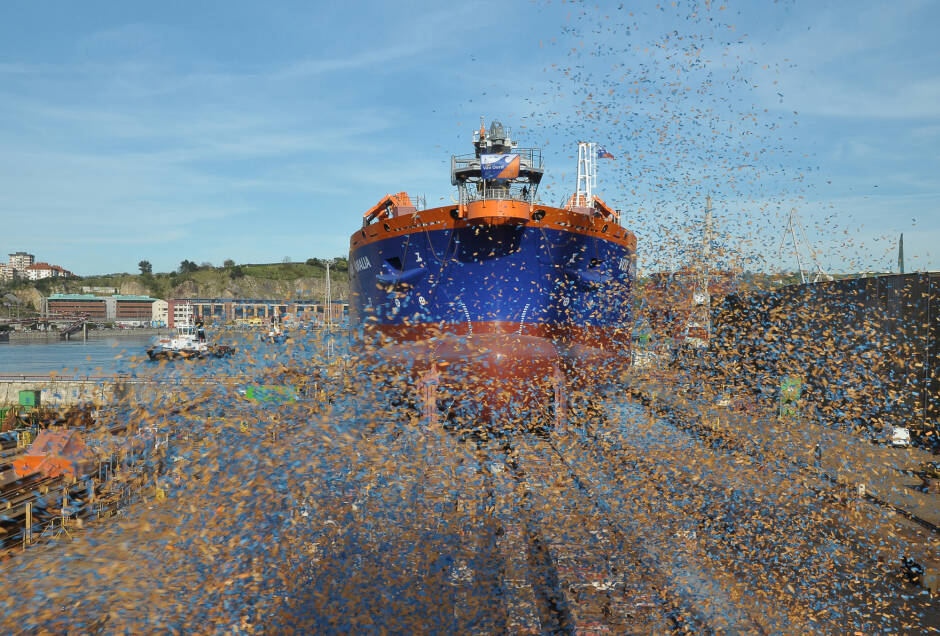
Van Oord is aiming to make its fleet more economical and energy efficient. Our new trailing suction hopper dredgers are an example of our sustainability ambitions, because they will reduce our fuel consumption and our carbon footprint. These state-of-the-art vessels boost the mid-class section of our fleet of trailing suction hopper dredgers.
Sustainable dredging fleet
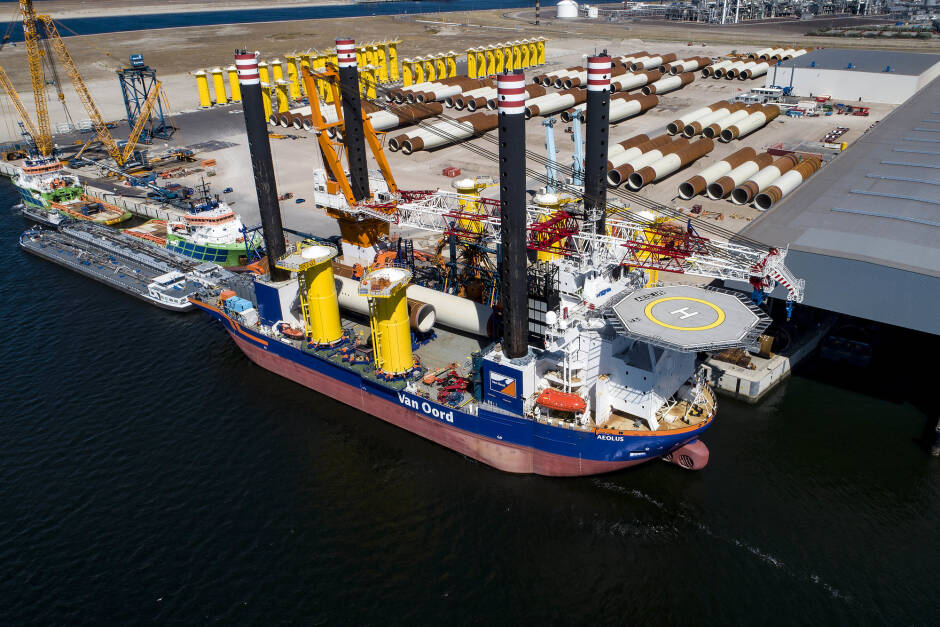
The demand for energy is growing and a renewable energy system is essential to providing the energy we’ll need in the future. Van Oord’s strategy is to continue expanding its role as an EPC contractor for the construction of offshore wind parks. Specialised offshore wind equipment is the basis of our leading position.
To go like the wind
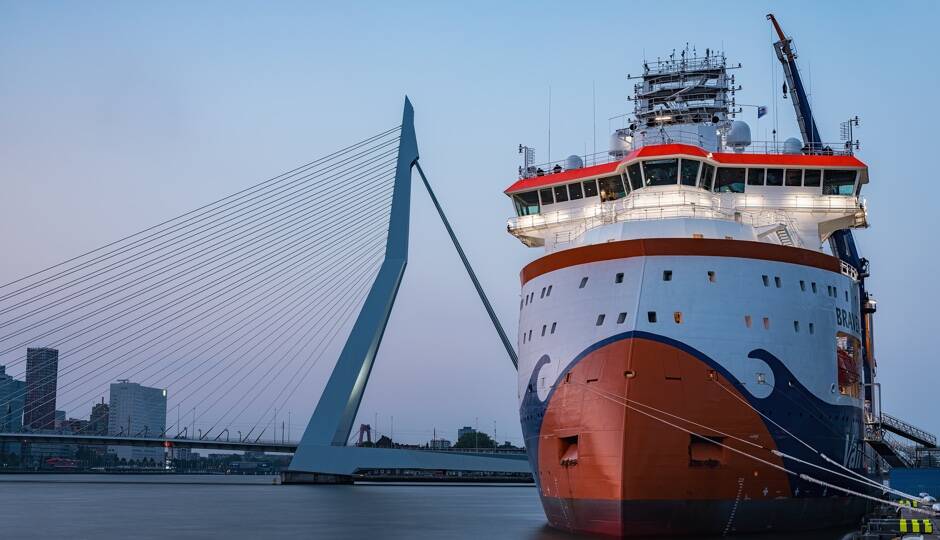
The growing world population needs more space and the demand for energy is rising. A renewable energy system is essential to providing the energy we’ll need in the future. The latest generation of vessels has upgraded our fleet and improved our competitiveness in dredging and offshore wind, oil and gas.
On course for the future
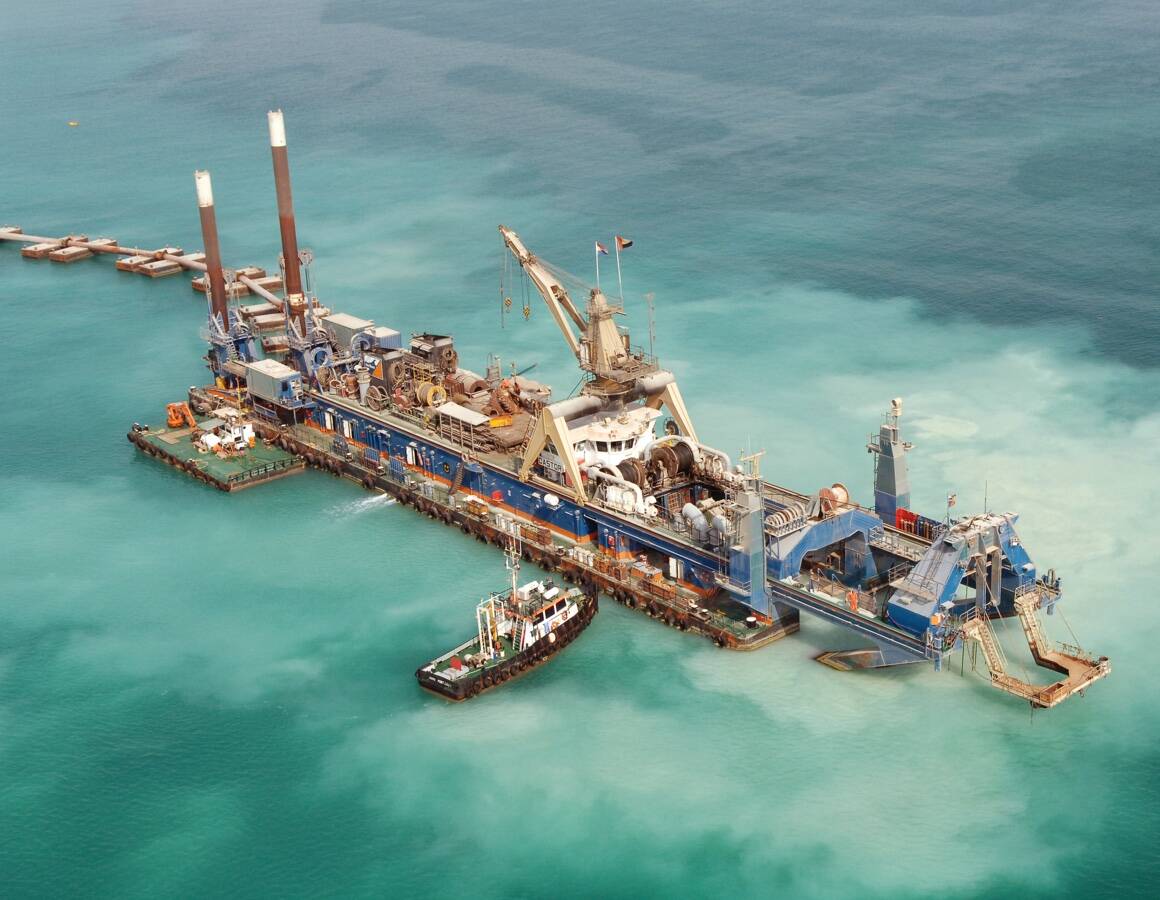
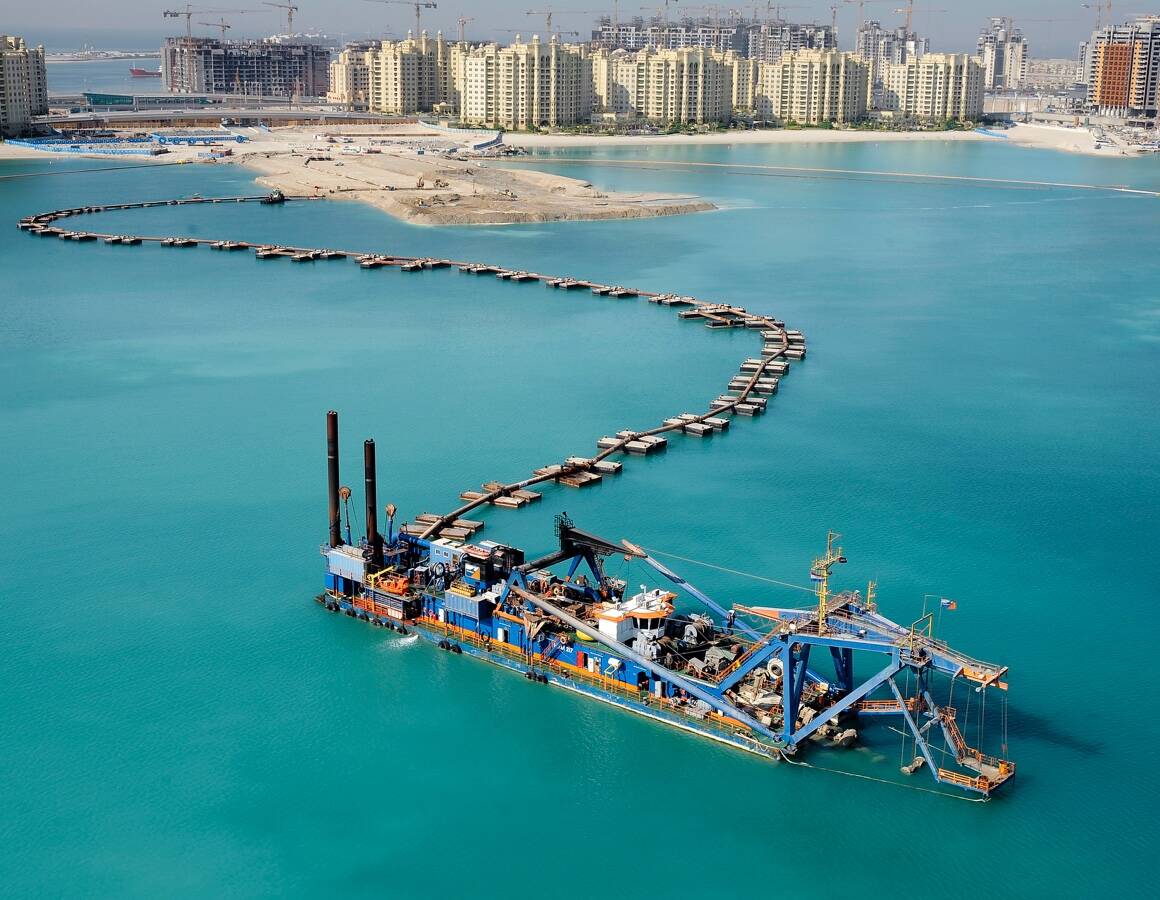
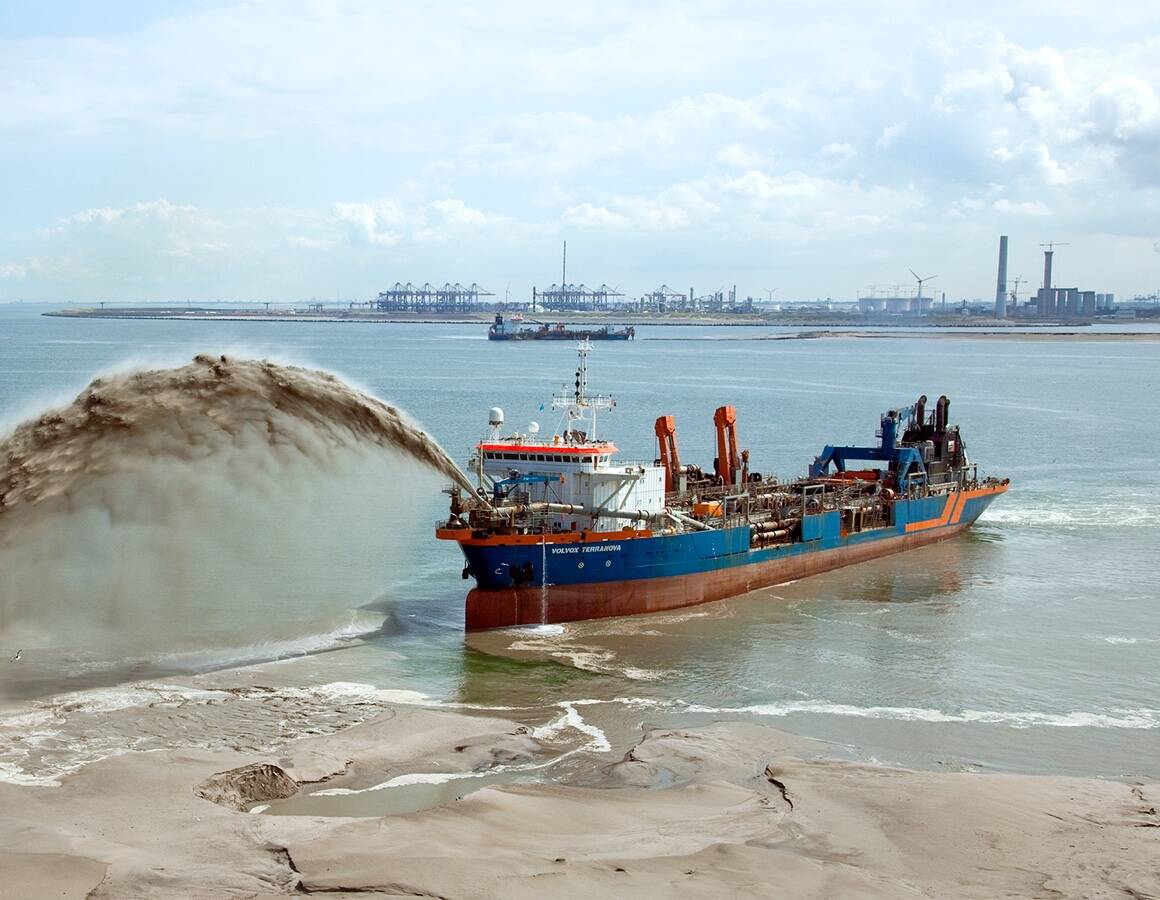
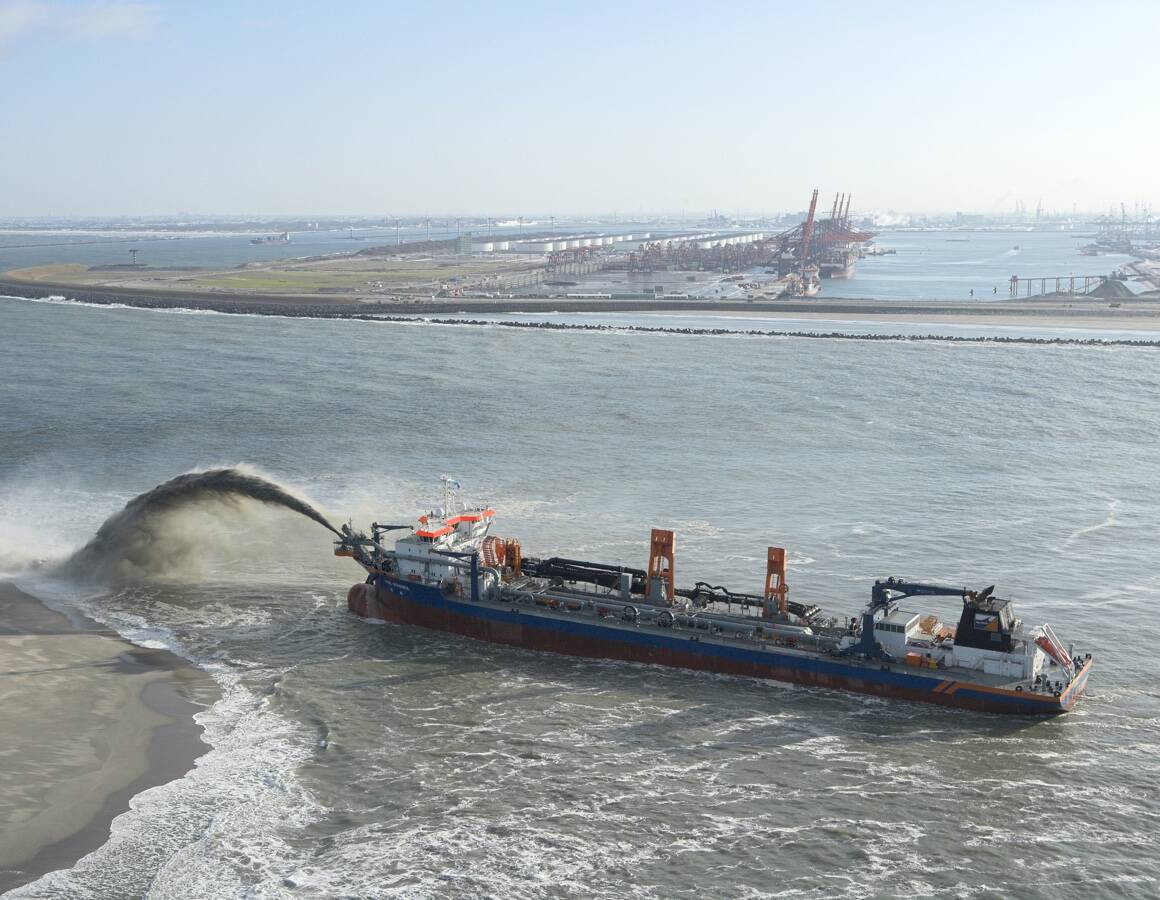
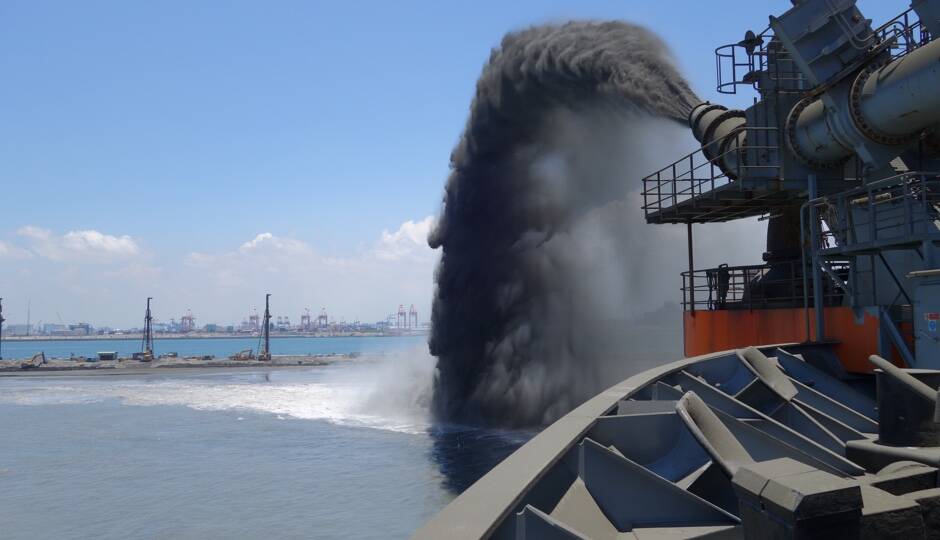
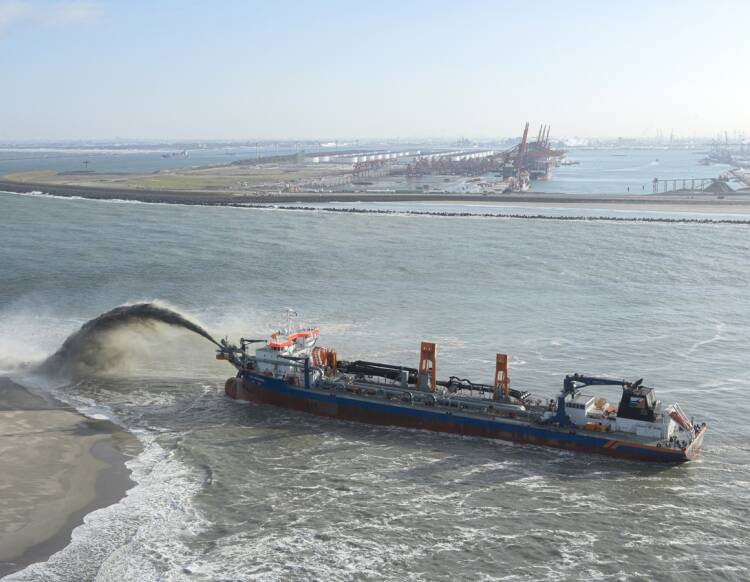
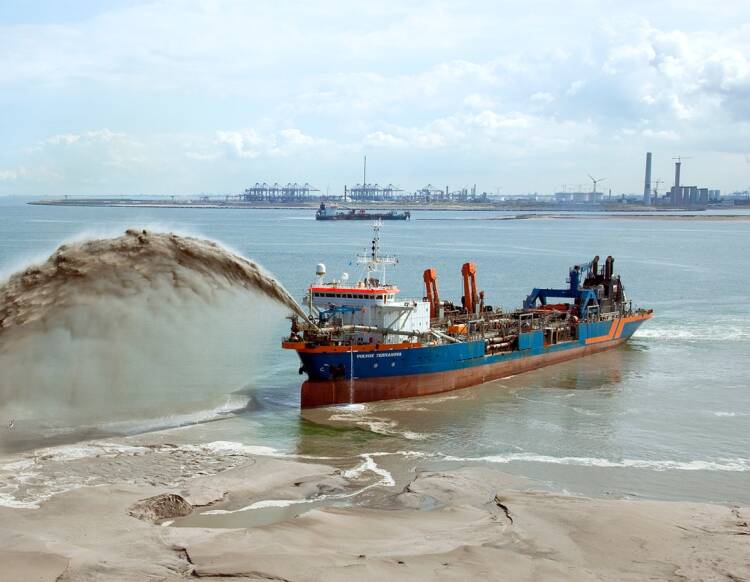
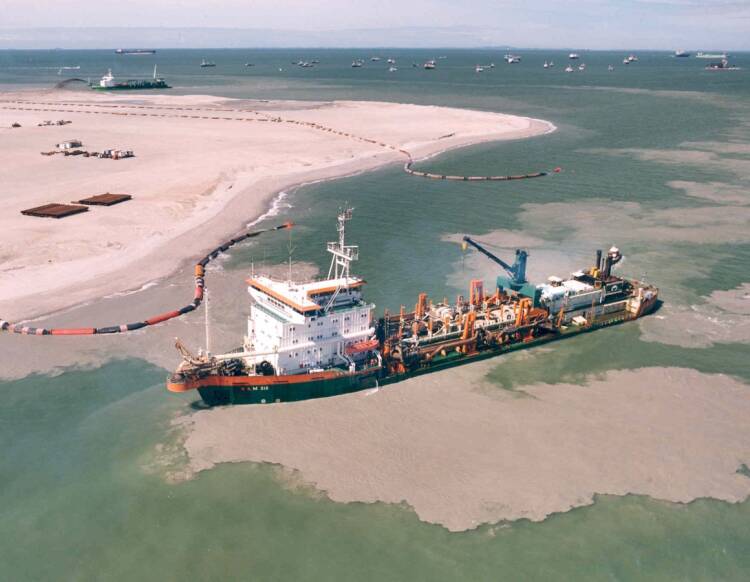
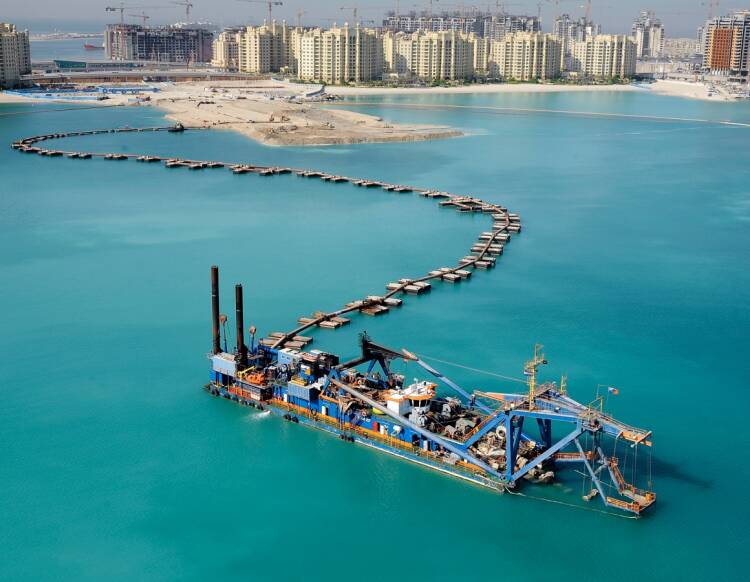
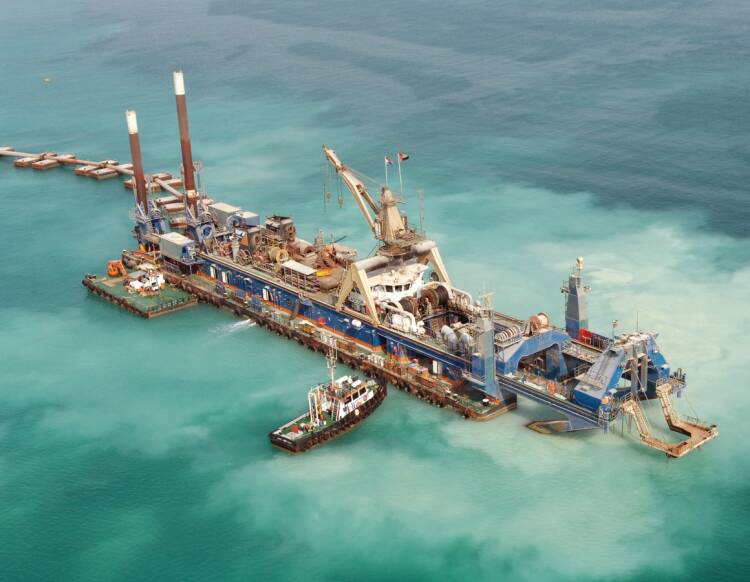
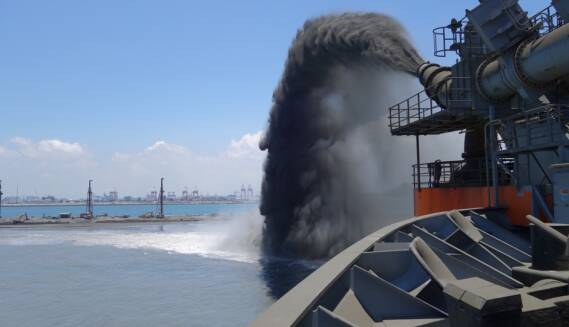
Rainbowing is a technique in which we deposit soil by pumping it over the bow of the vessel. It is used for reclaiming land where the water is too shallow for our vessels. We used rainbowing extensively to construct the artificial islands Palm Jumeirah and The World in Dubai.
The beautiful colours of the rainbow
The beautiful colours of the rainbow
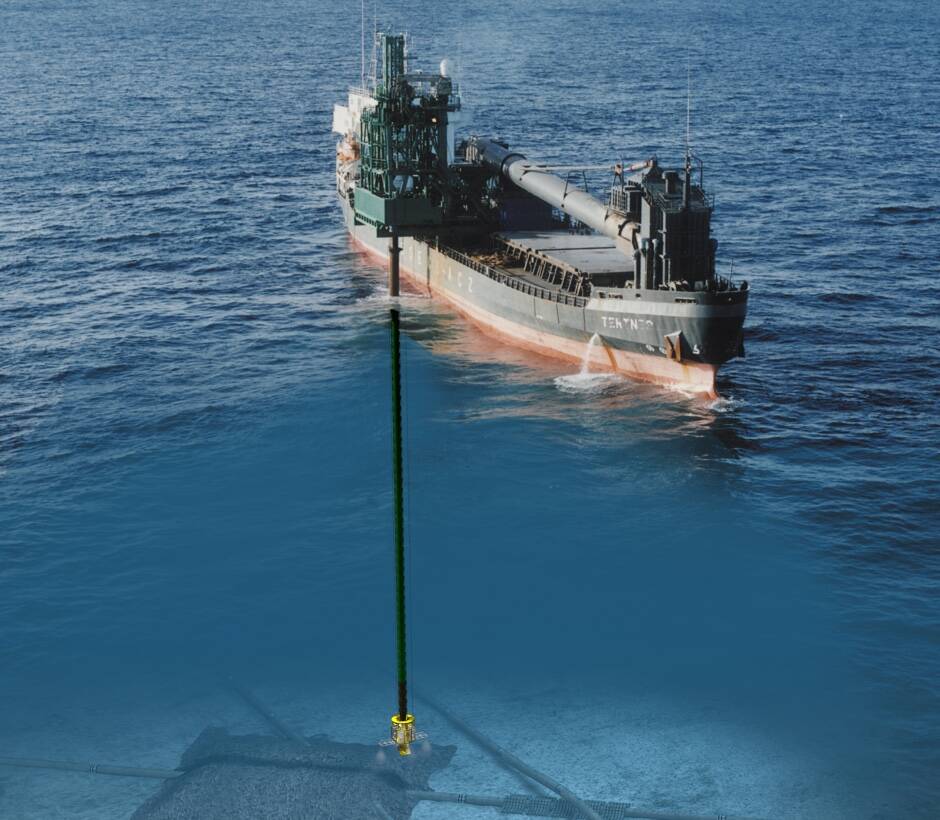
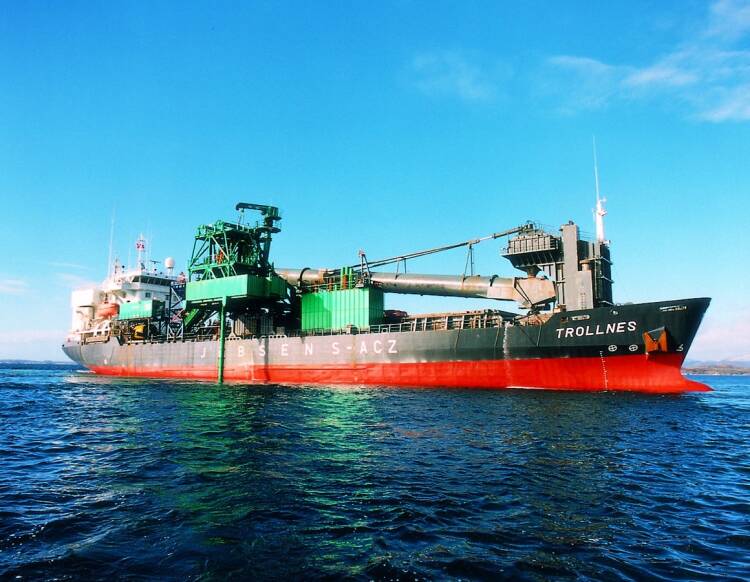
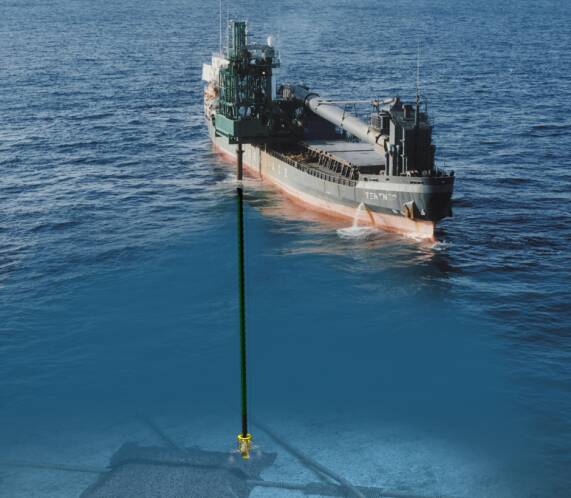
Pipelines and monopiles on the bottom of the sea need protection against the elements. We use rock to protect underwater structures. The fallpipe 1.0 was an in-house innovation for installing rock precisely where it was needed. The 2.0 version is a flexible fallpipe that can work even more accurately at greater depths. As the market leader, we work constantly to improve our service to clients in the offshore industry.
Like a rolling stone
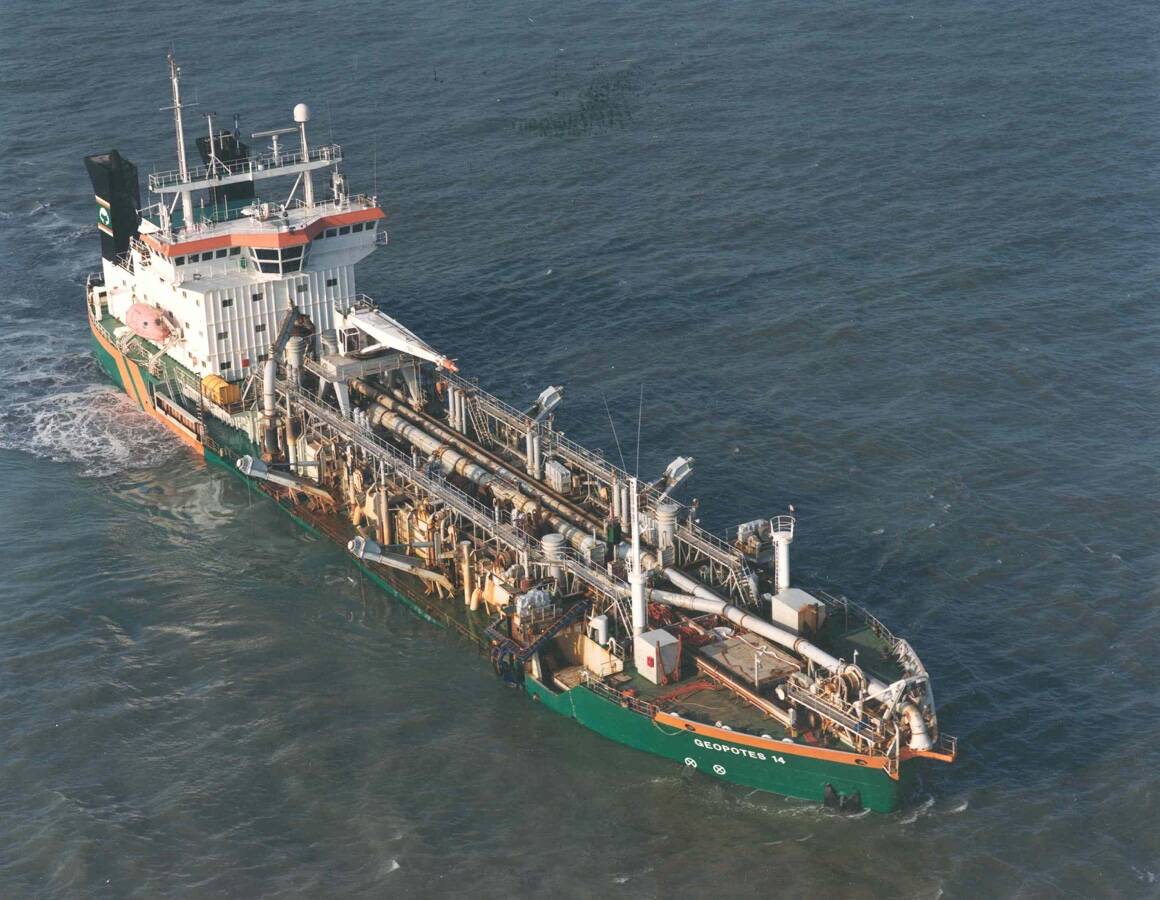
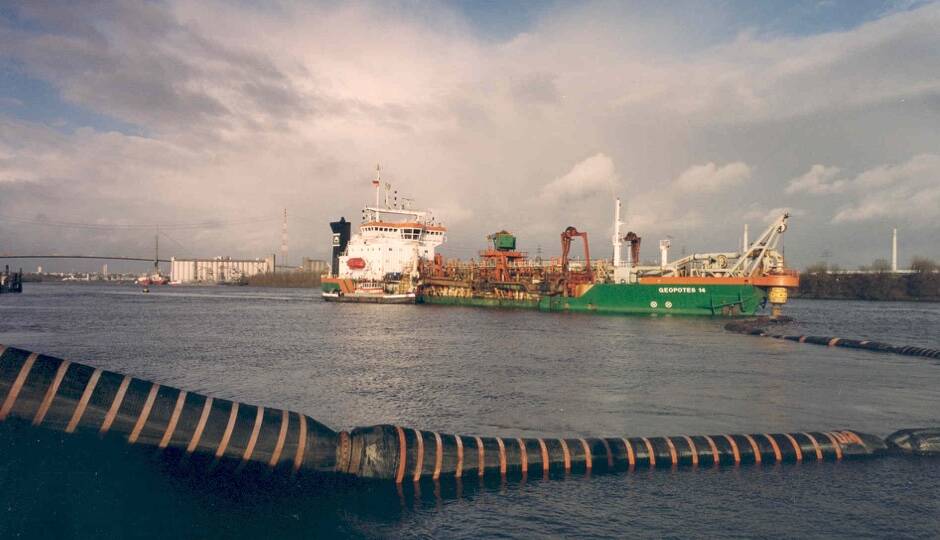
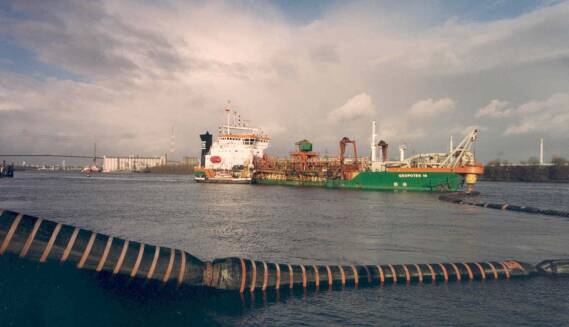
Although the first trailing suction hopper dredgers were built in the USA in the early 1950s they were further developed in the strong Dutch maritime cluster, in which we work closely together with schools and universities, research laboratories and ship builders.
Introducing the trailing suction hopper dredger
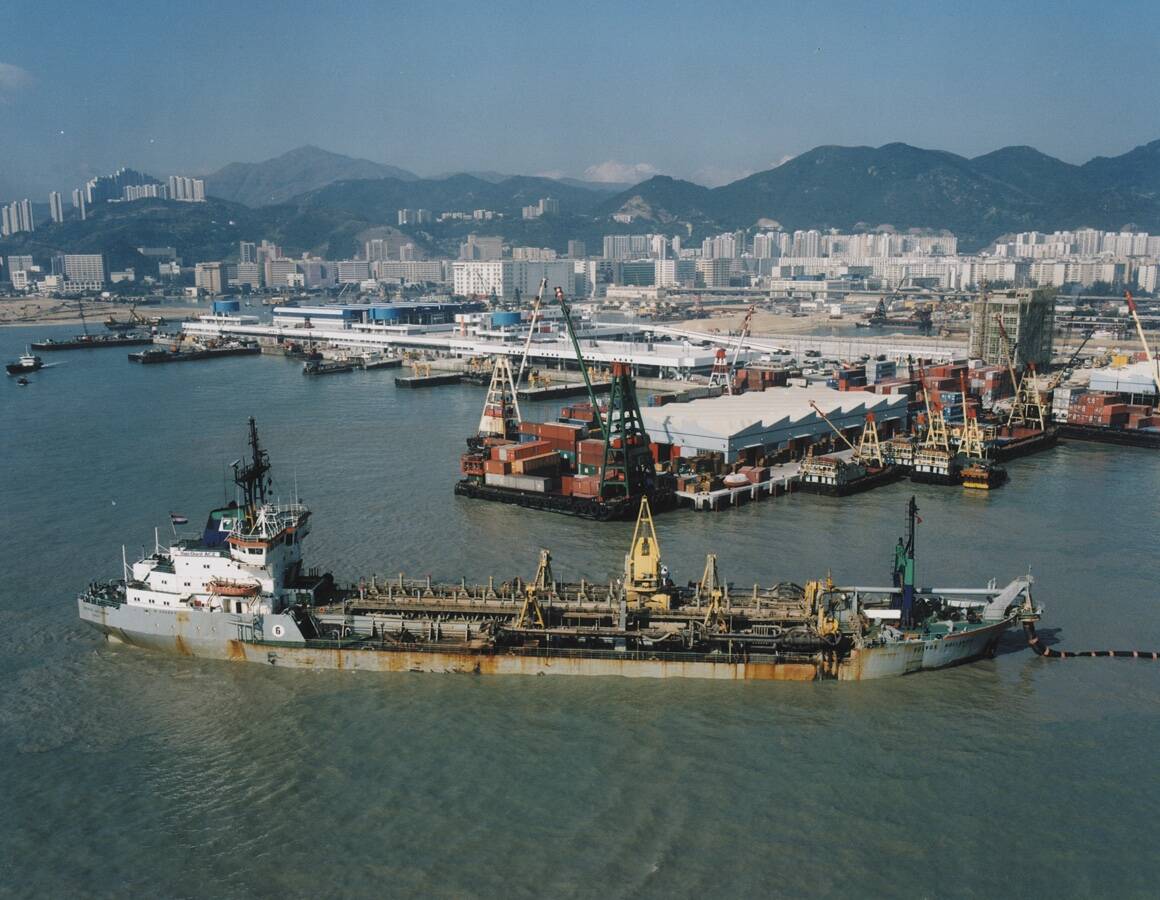
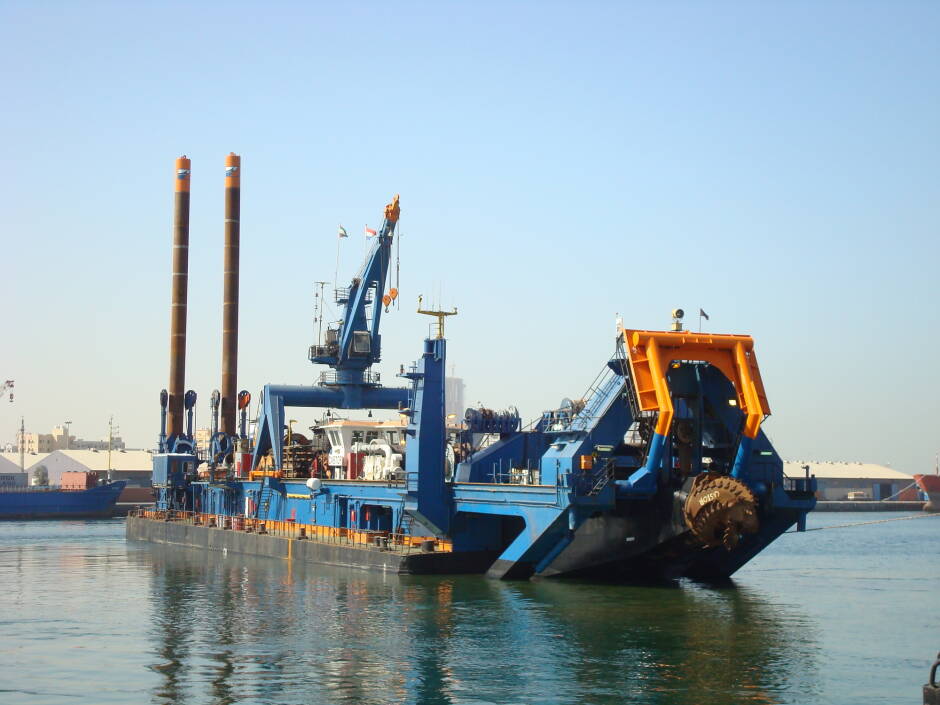
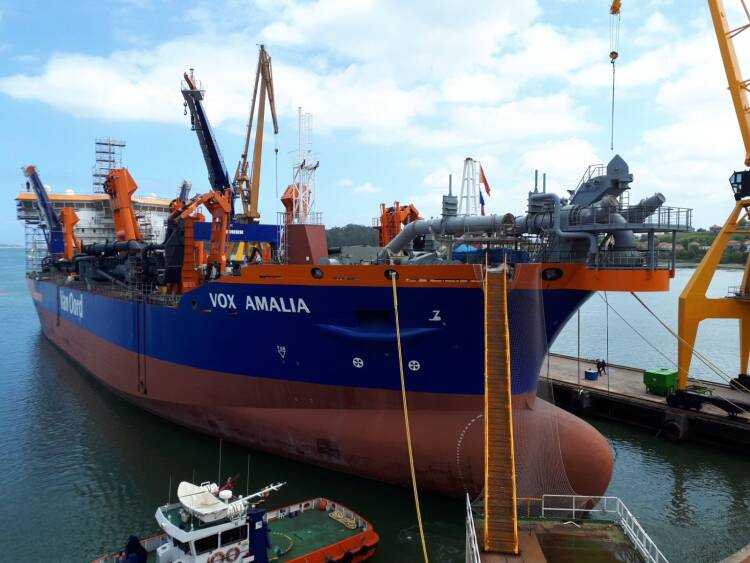
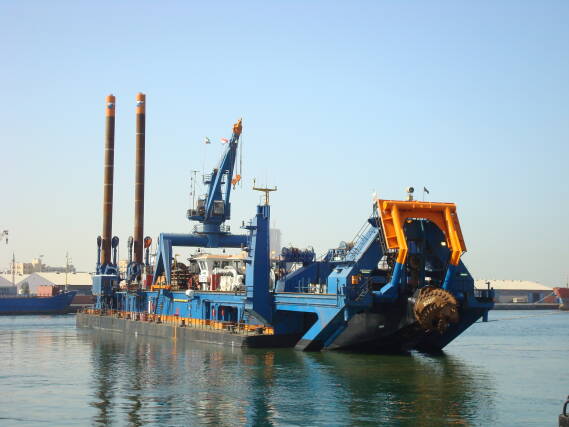
In the 1970s, the Middle East became a major exporter of fossil fuels. Maritime transport required new and improved infrastructure. Heavy cutter suction dredgers were developed to overcome the limitations of mere suction dredgers, which were unable to deal with harder soils.
Cutting solid ground
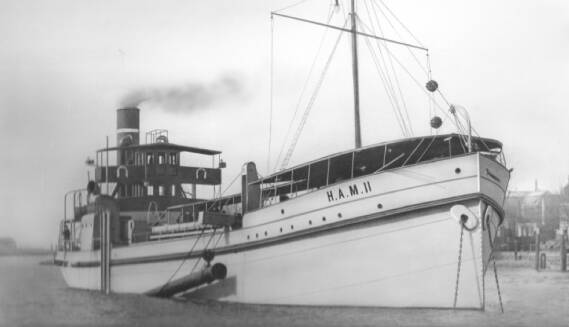
Our fleet has seen a long history. We have come from manual labour, through steam power and fossil fuels to liquified natural gas (LNG) at present. And who knows what the future holds…
Full steam ahead
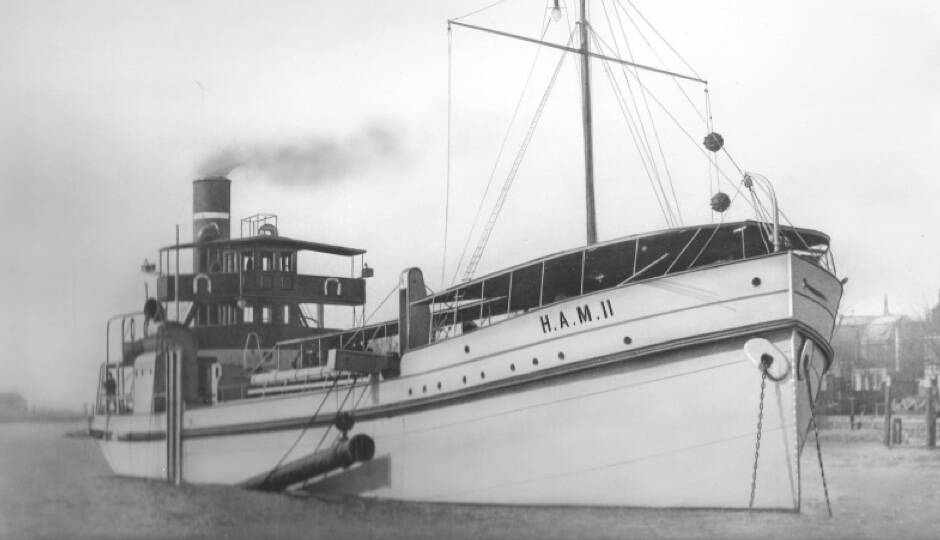
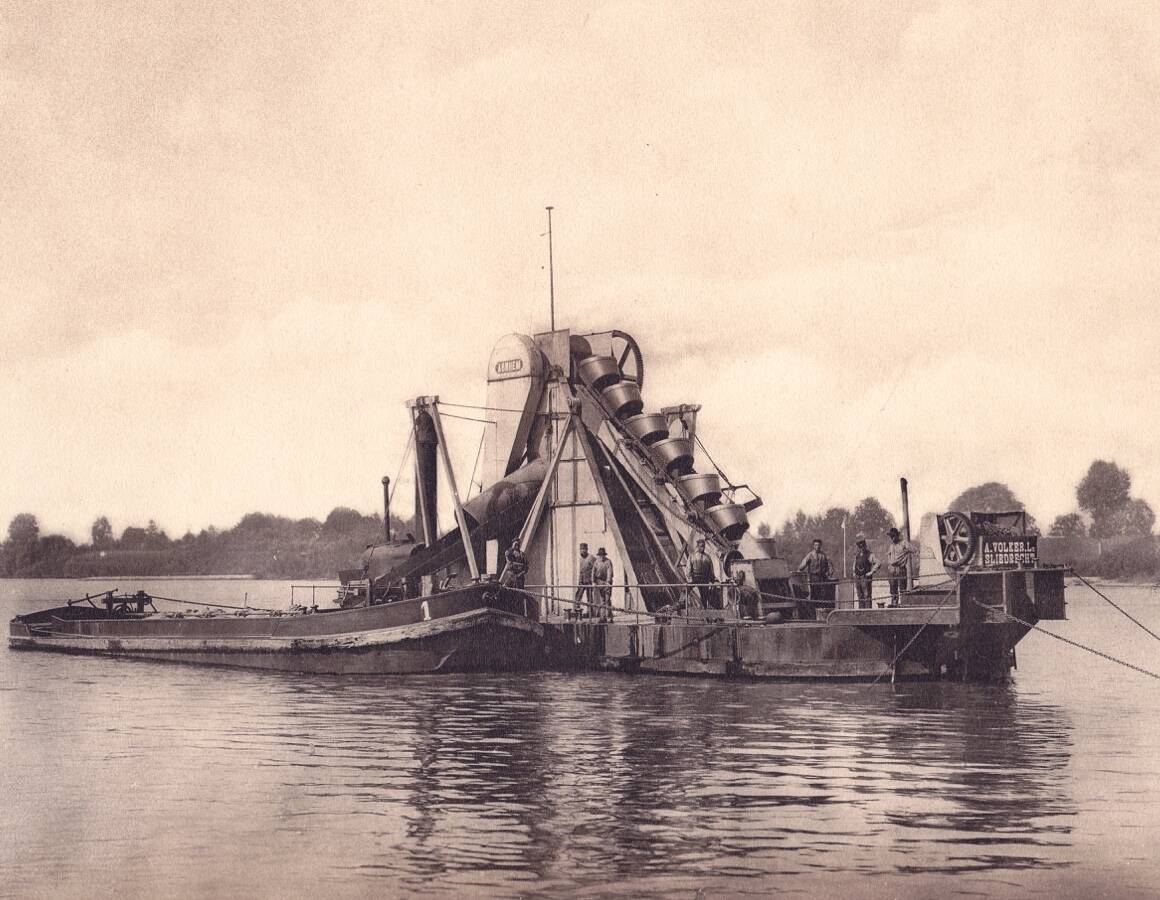
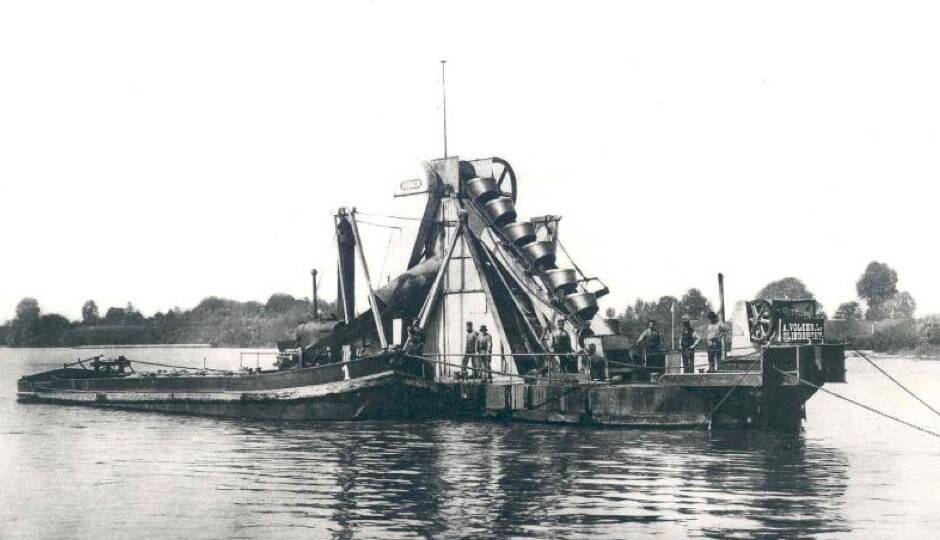
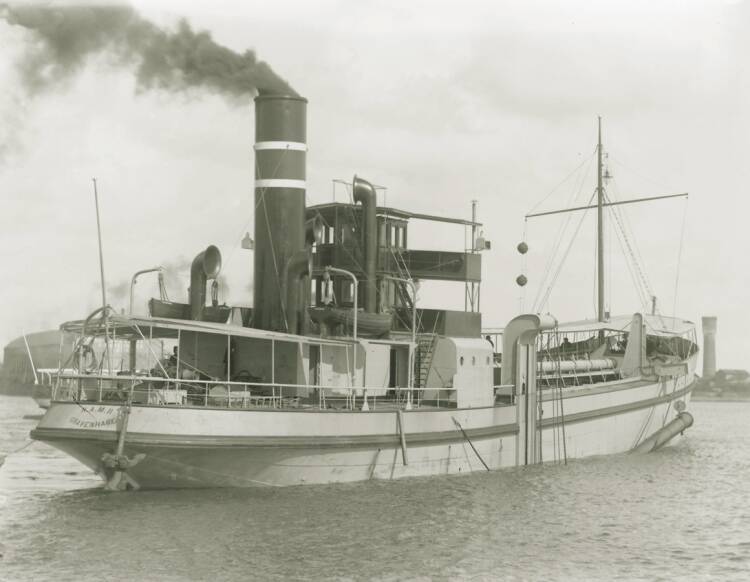
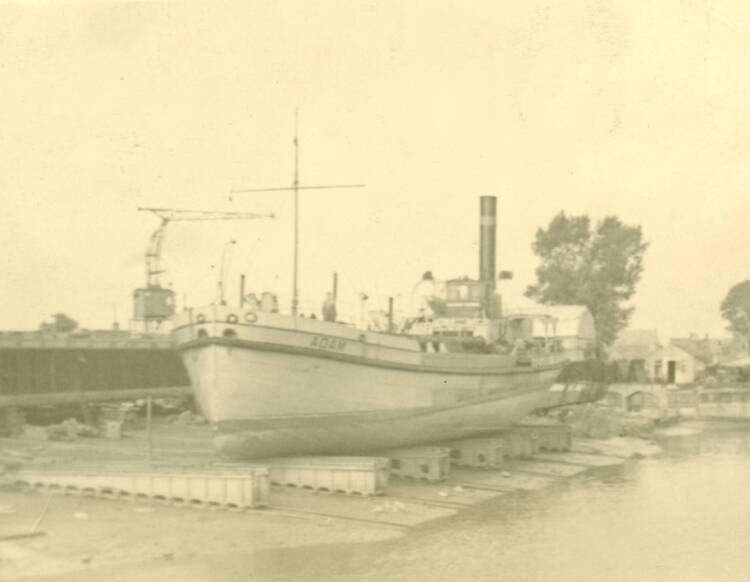
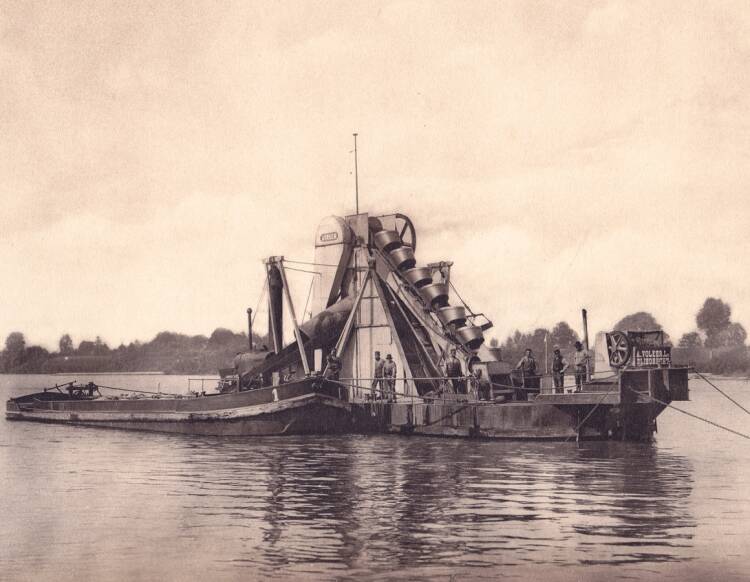
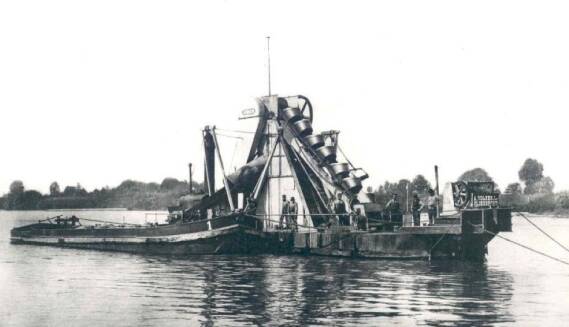
The British industrial revolution and the pumps developed in France sparked a revolution in dredging equipment in the nineteenth century.
Getting started with steam
2025
2024
2023
2021
2018
2000
1985
1950
1865


















Equipment
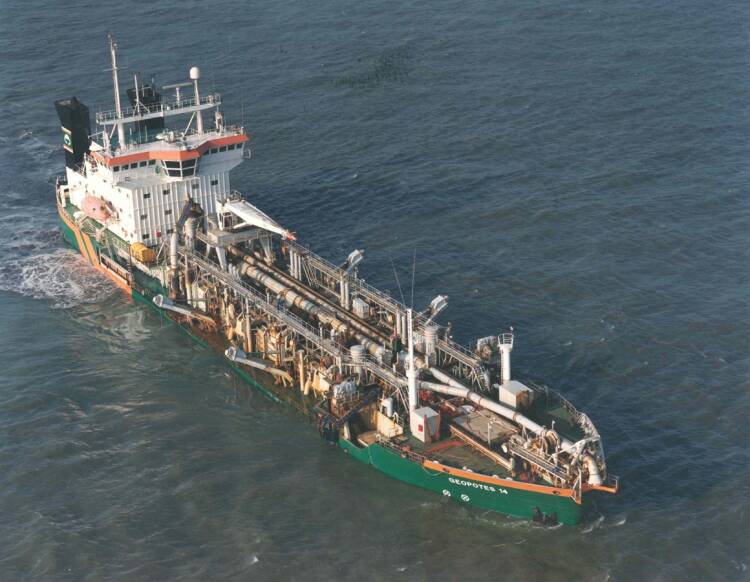
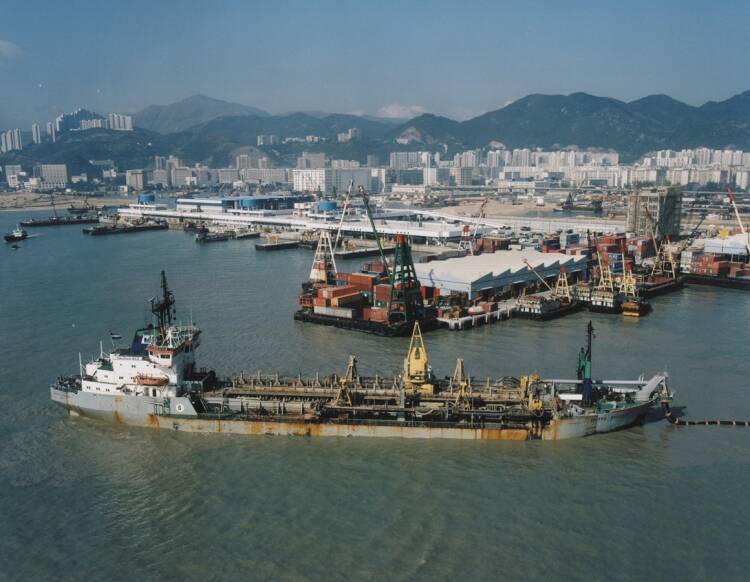
Although the first trailing suction hopper dredgers were built in the USA in the early 1950s they were further developed in the strong Dutch maritime cluster, in which we work closely together with schools and universities, research laboratories and ship builders.
Introducing the trailing suction hopper dredger
1985
Our fleet has seen a long history. We have come from manual labour, through steam power and fossil fuels to liquified natural gas (LNG) at present. And who knows what the future holds…
Full steam ahead
Pipelines and monopiles on the bottom of the sea need protection against the elements. We use rock to protect underwater structures. The fallpipe 1.0 was an in-house innovation for installing rock precisely where it was needed. The 2.0 version is a flexible fallpipe that can work even more accurately at greater depths. As the market leader, we work constantly to improve our service to clients in the offshore industry.
Like a rolling stone
2021
The British industrial revolution and the pumps developed in France sparked a revolution in dredging equipment in the nineteenth century.
Getting started with steam
Rainbowing is a technique in which we deposit soil by pumping it over the bow of the vessel. It is used for reclaiming land where the water is too shallow for our vessels. We used rainbowing extensively to construct the artificial islands Palm Jumeirah and The World in Dubai.
The beautiful colours of the rainbow
1950
In 2021 the naming ceremonies took place for two hybrid water injection vessels. The Maas and Mersey represent the new generation of hybrid water injection vessels. The first generation of WIDs, were put into service around 1990. This new vessel type is versatile and has water injection dredging, mass flowing and power jetting systems. Water injection dredging is an efficient and environmentally friendly way of maintaining the depth of navigation channels, ports, marinas and rivers. For over 30 years Van Oord has been using this technique all around the world.
New generation of hybrid water injection vessels
2023 saw the delivery of 3 new vessels. The two new LNG vessels will help Van Oord accomplish the aim of modernising its fleet and making it more economical and energy efficient. Van Oord is investing in expertise, equipment and vessels to operate a more sustainable fleet in order to achieve its net-zero emission targets by 2050. We also celebrated the arrival of Calypso, our future-proof cable-laying vessel for offshore wind projects worldwide. Offshore wind is a key contributor to achieving climate change targets around the world. By investing in state-of-the-art sustainable technology, Van Oord contributes to the energy transition, making offshore wind more competitive.
Delivery of three new vessels
2023
2024
Van Oord is aiming to make its fleet more economical and energy efficient. Our new trailing suction hopper dredgers are an example of our sustainability ambitions, because they will reduce our fuel consumption and our carbon footprint. These state-of-the-art vessels boost the mid-class section of our fleet of trailing suction hopper dredgers.
Sustainable dredging fleet
In the 1970s, the Middle East became a major exporter of fossil fuels. Maritime transport required new and improved infrastructure. Heavy cutter suction dredgers were developed to overcome the limitations of mere suction dredgers, which were unable to deal with harder soils.
Cutting solid ground
The growing world population needs more space and the demand for energy is rising. A renewable energy system is essential to providing the energy we’ll need in the future. The latest generation of vessels has upgraded our fleet and improved our competitiveness in dredging and offshore wind, oil and gas.
On course for the future
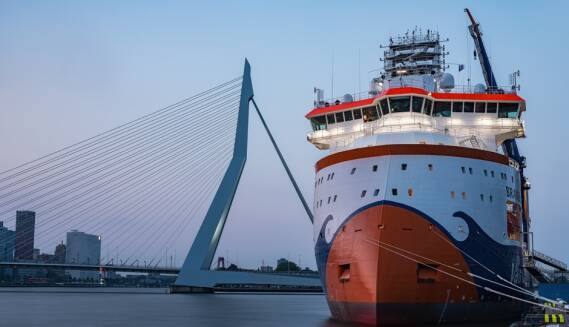
The demand for energy is growing and a renewable energy system is essential to providing the energy we’ll need in the future. Van Oord’s strategy is to continue expanding its role as an EPC contractor for the construction of offshore wind parks. Specialised offshore wind equipment is the basis of our leading position.
To go like the wind
1865
2000
2018
At Van Oord we are committed to accelerating the energy transition. To accelerate the energy transition, innovative vessels are needed. The Boreas will be the most versatile fit-for-purpose offshore wind installation vessel in the industry. The vessel is designed to install the next generation of foundations and turbines at offshore wind farms and keep up with the global demand and increase in scale.
Accelerating the energy transition
Unmanned Survey Vessels (USVs) are remotely-controlled vessels that can perform surveying activities like seabed mapping without a human on board. With these vessels, Van Oord is able to perform survey activities remotely, cost-efficiently and in an automated manner. Additionally, deploying these vessels enhances safety by making the need for an onboard operator and surveyor redundant.
First seagoing unmanned survey vessel and new WIDs
2025

Over the past 150 years, our equipment has undergone an evolution from straightforward vessels like fishing boats to innovative floating plants developed in-house and offering the comfort of a ‘cruise ship at sea’. Explore our heritage and discover how we built our state-of-the-art fleet.